Review finds Tusla ‘could not have anticipated’ what happened to missing Kyran Durnin
By Gráinne Ní Aodha, PA
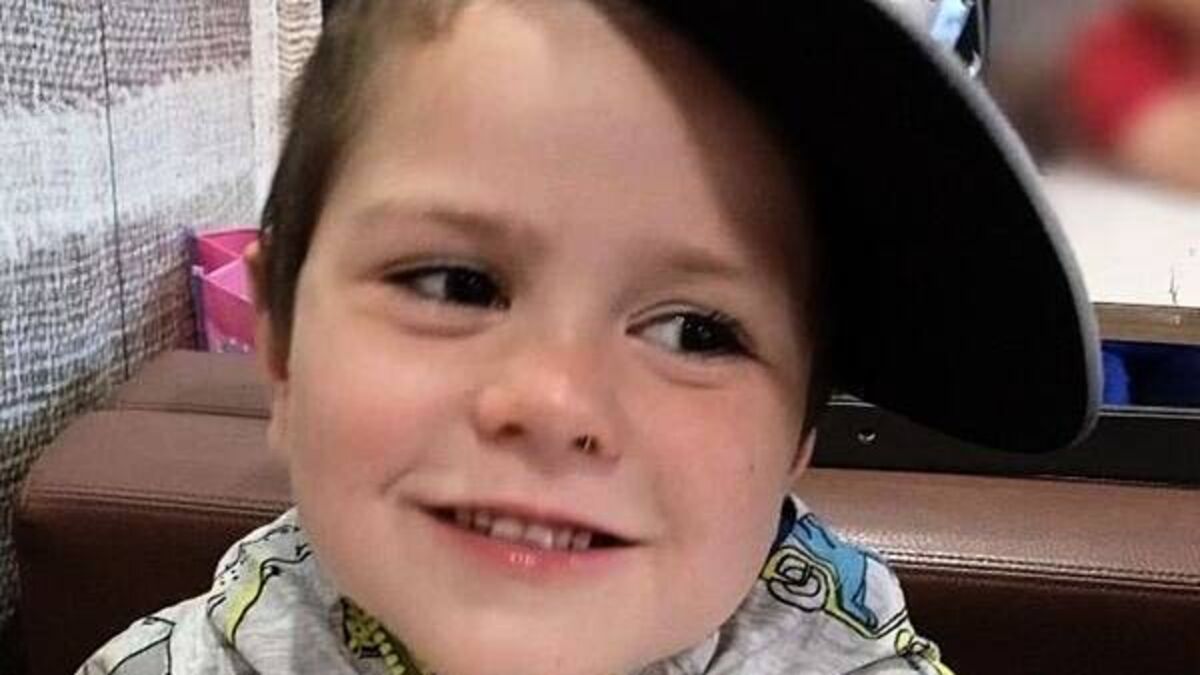
An independent review into the State’s dealings with the family of missing schoolboy Kyran Durnin has found that what happened “could not have been anticipated”.
Children’s Minister Norma Foley said that the report pointed to “policy and practice weaknesses” in relation to the child and family agency Tusla and other departments and state agencies.
She said the report could not be published in full due to legal advice from the Attorney General that it “may prejudice any potential or future prosecutions that might take place”.
Gardaí launched a murder investigation last October into the disappearance of Kyran, from Co Louth, who was potentially missing for two years, unknown to authorities.
While the review identifies practice and policy weaknesses, it does not infer a direct or causal link between them and the outcome for Kyran
Gardaí suspect that Kyran may have died in 2022 when he was six.
Tusla said it raised a “significant” concern about the missing child to police last August and launched an internal review about its engagement with Kyran and his family.
The outcome of that review, completed last November, prompted then children’s minister Roderic O’Gorman to say there were “elements that are of concern in terms of the overall state response”.
The case was then referred to the independent National Review Panel (NRP), which conducts reviews of child deaths and serious incidents with the aim of improving services.
On Wednesday, recommendations of the report were published by government.
They include tracking pupil movement between primary schools, including across the border; a review of GDPR and network checking; and a review of the Tusla/An Garda Síochána protocol.
The head of the NRP, Dr Helen Buckley, said: “The over-arching conclusion of this review is that the serious incident which elicited it could not have been anticipated from knowledge that was available to the Tusla Social Work Department at the time.
“While the review identifies practice and policy weaknesses, it does not infer a direct or causal link between them and the outcome for Kyran.”
Ms Foley said that she had confidence in Tusla and had “no reason to doubt anything that Dr Helen Buckley is presenting”.
She said there would always be “exceptional” cases and referred to comments by the then Garda commissioner Drew Harris who described the case as “extraordinary” and that he had never seen one like it in his 40-year career.
She said the Child Care Amendment Bill, which has received government approval to be published, would do two things: provide “an important backup” to agencies and departments looking to coordinate in keeping children safe; and put the National Review Panel on a statutory footing.
Ms Foley also said a unit has been set up in Tusla, under the remit of the Department of Education, to investigate children who are absent from education for more than 20 days.
The office was established in July and is staffed with two educational welfare officers.
It takes referrals from school principals in relation to children who are absent from school for more than 20 days and about whom there is a concern in relation to the absences.
The educational welfare officers would then try to locate the child, and if they cannot, the case is referred to gardaí.
Ms Foley said that one case has been referred to gardaí since the office was established, in line with procedures.
It is understood the mother of a 10-year-old boy told gardaí her son moved to a different EU country to live with his father, which gardai are now making follow-up enquiries to confirm.