Carlow politicians united in opposition to Mercosur trade deal
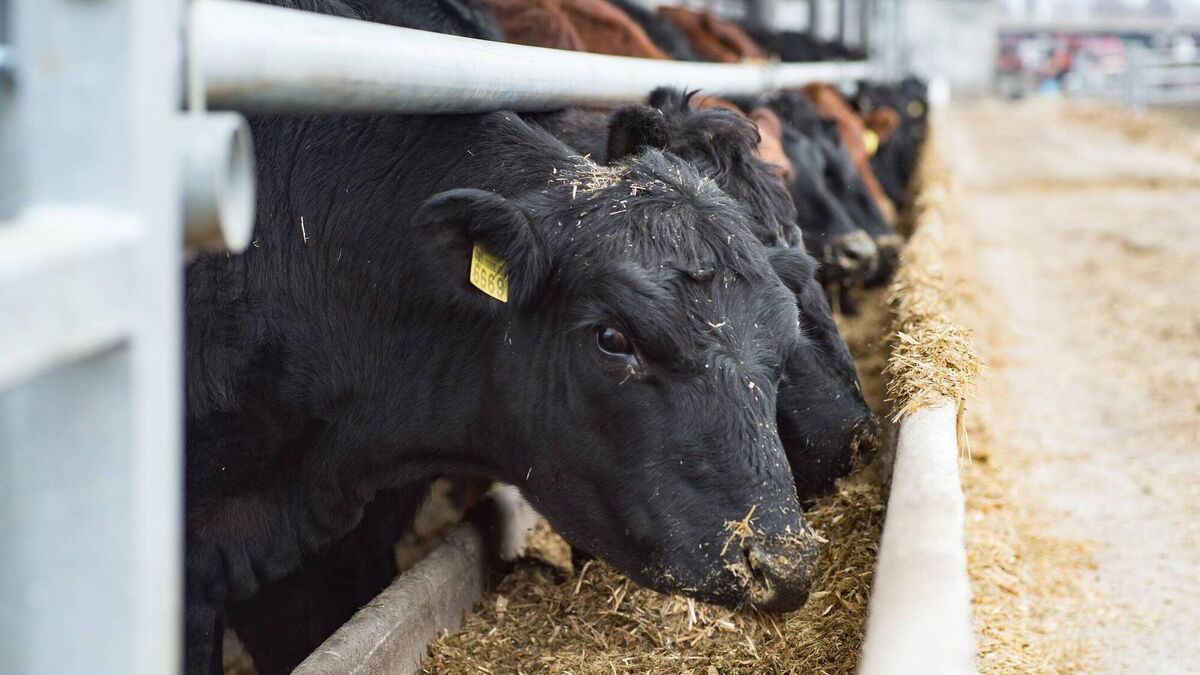
Stock photo
THE controversial Mercosur trade deal has been described as a “serious threat” to the beef industry in Ireland by Carlow’s representatives in both the European Parliament and Leinster House.
The comments come ahead of President of the European Commission Ursula Von Der Leyen’s proposed trip to Paraguay on 12 January, where it is believed she will sign the deal with representatives from the South American countries.
The Nationalist spoke with a number of Carlow politicians, who stated they were all opposed to the deal in its current form.
European Parliament:
Fianna Fáil MEP for Ireland South Cynthia Ní Mhurcú said that, despite supporting free and fair trade and the benefits that deeper economic ties with South America could bring, she could not support the deal in its current form.
“It presents a direct and serious threat to Irish farmers, particularly our beef sector,” she said.
She also stated that she is not satisfied with the current safeguard mechanisms that have been drawn up by the EU Commission, which would allow member states or industry representatives to request an investigation if they think there is evidence of serious injury to an industry.
“The safeguards proposed as part of the Mercosur trade deal will not meaningfully elevate the quality or reliability of products entering the EU from Mercosur countries, particularly Brazil. That raises public health questions for EU and Irish consumers,” she explained.
Her colleague in Brussels, Sinn Féin MEP Kathleen Funchion, also told The Nationalist that she would be voting against the deal but was concerned the EU’s announcement this week to extend the nitrates derogation for Ireland by another three years was a potential incentive to try and pressure the government into supporting Mercosur.
“I do think there is the potential for the EU to tell the government ‘Look, you have got your deal on nitrates; you can’t have everything’,” said Funchion.
“I really do think that, especially when you look at the timing of it. It might be a little cynical to think it, but when you are in politics a long time, you get like that,” she added.
Leinster House:
Back in Leinster House, members of the Oireachtas committee on Agriculture and Food heard in early December from representatives from the Irish Farmers Journal and the Irish Farmers Association about their recent joint investigation into the unregulated use of antibiotics and growth hormones in Brazil’s beef industry.
Funchion’s party colleague Natasha Newsome Drennan TD, who is a member of the agriculture committee and a suckler farmer, said that she was “really concerned” about the results of the investigation and compared the practice of buying antibiotics in Brazil to a child in a sweet shop.
“I was surprised to see how you can go into a shop or a merchant over in Brazil and literally, like a child in a sweet shop, go ‘I’ll have one of those and one of those,’ and that’s it, when these drugs are meant to be banned.” Fianna Fáil’s spokesperson for agriculture Peter Cleere said that farmers in his constituency are “genuinely worried” that the deal could impact on the viability of their farms and have deep concerns about the standard of South American beef.
“I spoke with a lot of people who are genuinely worried about how this deal could impact on the viability of their family farm,” he said.
“And the biggest issue that I am hearing on the ground is around standards. We have high standards in terms of the quality of our beef and agriculture products. The worry is that our farmers are going to have to compete with products that don’t meet those regulations,” he added.
Fine Gael TD Catherine Callaghan, who is also a farmer, said that beef farmers in her locality are “irate” about the deal, with the public health concerns of unregulated beef a particular concern.
“What is particularly concerning for me is the public health implications of having hormone-filled beef on the European and Irish market at a cheaper rate,” she told The Nationalist. “People are on budgets naturally enough and if they are given the option of a cheaper cut of meat, they are probably going to go for the cheaper one instead of the Irish one that is hormone-free and raised to a much better standard.”