Council calls on government to consider excise duty cuts amid oil price surge
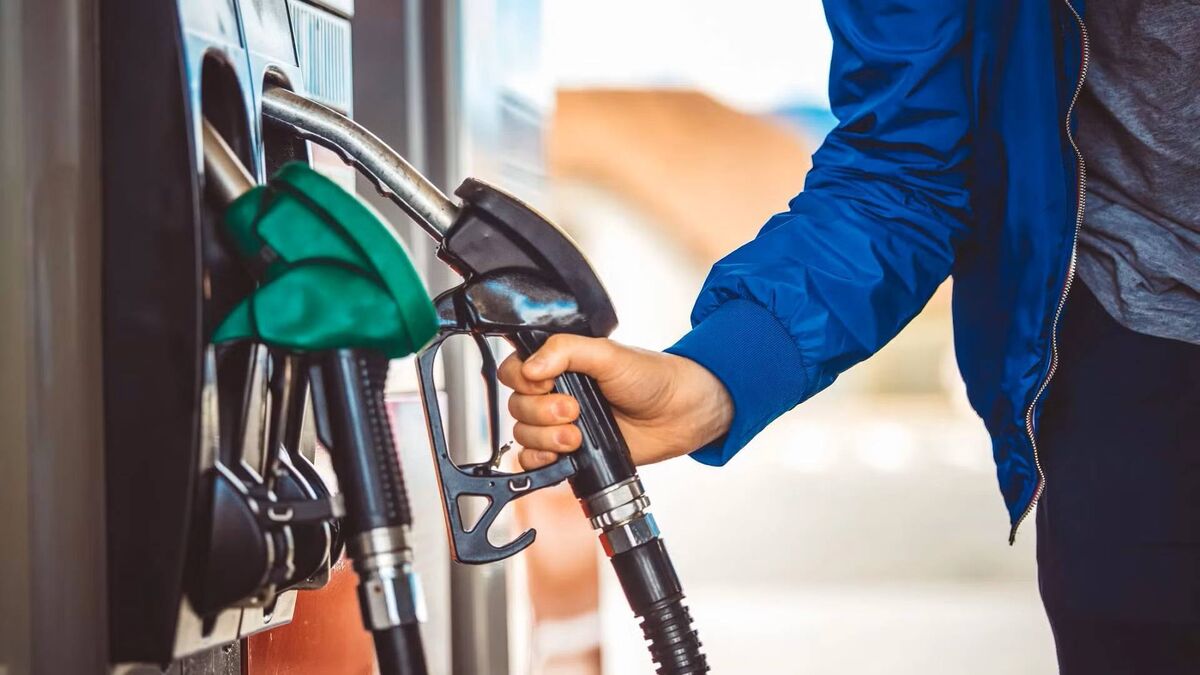
Stock photo
CARLOW Co Council passed an emergency motion calling on the government to ‘consider implementing’ excise duty reductions to help those affected by the volatility in oil and gas prices as a result of the ongoing conflict in the Middle East.
The original motion, tabled by Independent Ireland cllr John Cassin, called on the government to ‘suspend the carbon tax on fuel with immediate effect, on a temporary basis, until the international price of oil per barrel has fallen back to a clearly defined and sustainable threshold following consultation with relevant stakeholders.’
The motion also called on the government to report back to council members with a timeline for the temporary suspension of the carbon tax on fuel, including any specific measures that would protect people particularly affected by the rising costs, such as farmers, hauliers, commuters and householders reliant on home heating oil.
An amendment was then proposed by Fine Gael cllr Fergal Browne to not include the removal or suspension of carbon tax in the motion, as this would impact the funding of fuel allowance and the retrofitting of houses and instead take a similar approach to what happened in 2022 following the invasion of Ukraine and consider the reduction of excise duty if necessary.
“The problem with carbon tax is that it actually funds the fuel allowance and retrofitting of houses, so I wouldn't agree on taking that out or suspending it,” cllr Browne said.
“When the war in Ukraine started, the government actually reduced the excise duty by 20% and that made a difference and was spaced out over time as prices began to fall again,” he added.
The exact wording of the amended motion is: ‘Carlow Co Council calls on the government to continue to closely monitor the situation and continue retrofitting housing and buildings through carbon taxes so as to reduce our over-reliance on oil from foreign states and consider implementing again excise duty reductions as happened following the invasion of Ukraine to help all those affected by the volatility in oil and gas prices.’
Independent cllr William Patton mentioned the planned increase to carbon tax for home heating fuels from 1 May and questioned whether only reducing the excise duty would have any meaningful impact.
Carbon tax on petrol and diesel has already been set at €71 per tonne of CO2 emitted since October of last year. However, the current rate of €63.50 per tonne on other fuels, such as home heating oil, green diesel, natural gas, coal and peat will rise to €71 from 1 May.
The council’s cathaoirleach, cllr Ken Murnane, weighed in on the issue and said reducing excise duty allows for more scope, as it is the single highest fixed tax per litre and he believes it is the one the government will look at reducing.
In a statement provided to , minister of state at the Department of Health Jennifer Murnane O’Connor said that she shared the concerns of people who are seeing sharp rises in the price of home heating oil and petrol and diesel, adding that the issue was “discussed informally at cabinet” on Monday morning and was on the agenda at EU-level meetings throughout the week.
“I welcome that changes to supports such as fuel allowance made in budget 2026 are now being rolled out with more households qualifying and higher rates of payments available,” she added.
“When the invasion of Ukraine happened, the supports came some weeks after. We are only one week into this crisis and I am confident that the government will keep all options open in considering how best to help people meet the challenge of rising costs,” she concluded.