Homelessness takes mental toll on children especially
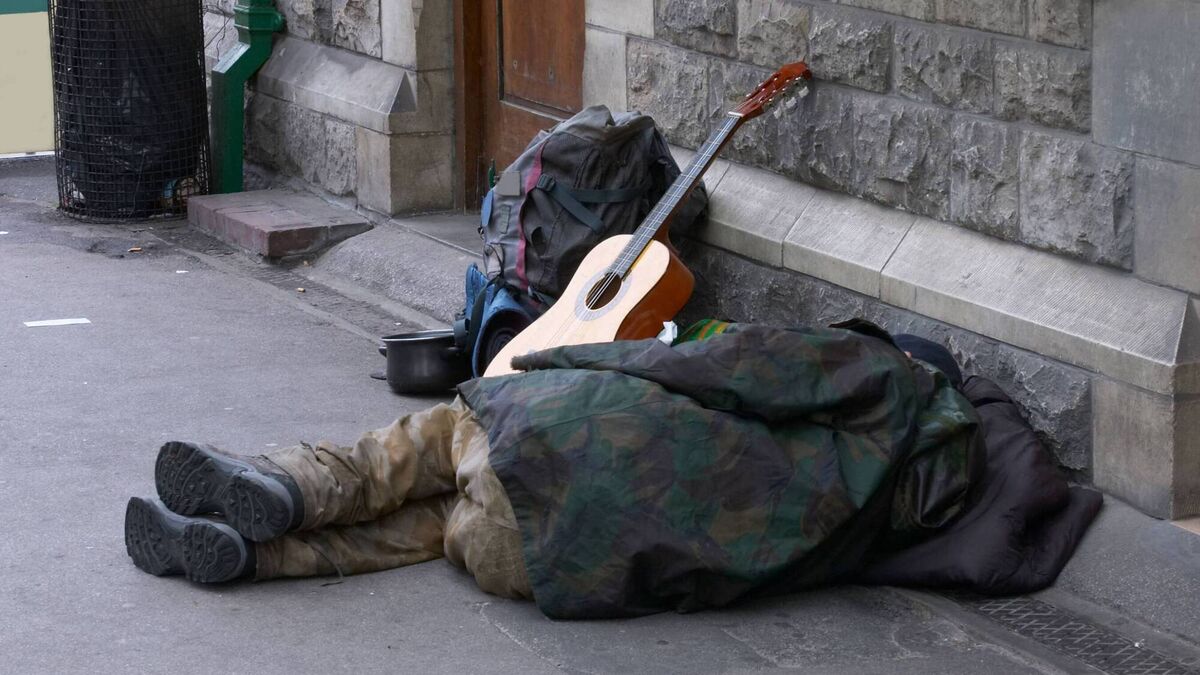
Minister after minister has said homelessness was 'a priority' and whatever could be done would be done – but to no avail
A NEW year is here, and loathe though I am to start off on a negative note, unfortunately the figures I looked at over the festive period made the decision for me.
An RTÉ report in December 2014 showed a total of 880 children in child homelessness, with a total of 5,254 people in total in emergency accommodation. That phrase ‘emergency accommodation’ would lead you to believe that at least people had somewhere to lay their head – but that was about it.
That usually meant bed and breakfast somewhere – and, as it suggests, it is only for bed and breakfast – not somewhere you build a home. In addition, it is temporary by nature, which means children, in particular, suffer as a result of not having routine in their lives, cannot make friends, are not sure where they will be going to school next year, can’t have friends visit for a sleep over or have a little space for themselves.
Government minister after government minister since 2014 has said the whole question of homelessness and the housing shortage in general was ‘a priority’ and whatever could be done would be done to solve the problem.
Plan after plan, strategy after strategy has been unveiled, commitments given, a number of new homes guaranteed, good money after bad thrown at the problem in the hope of landing a ‘Hail Mary’, which would miraculously solve the problem, but all to no avail.
In fact, the problem has spiralled out of control. By the end of last year, homelessness in Ireland reached record highs – for now – exceeding 16,000 people, including over 5,000 children.
If you think that is bad, with all the statistics we have and all the plans compiled over the years, we don’t even know how many homeless people die in this country. In fact, we don’t even collect that information.
Housing minister James Browne, like his predecessors, says homelessness is his priority – and I have no reason to disbelieve him – but someone should point out that surely a fundamental piece of information he should ascertain is how many people die because of homelessness.
Last year, a total of 190 people died from road accidents in this country, but all we learned about deaths as a result of homelessness was that 40 people died in Dublin in 2024 – the figures are not available for last year.
Dublin City Council is the only local authority out of 31 such organisations which records the number of deaths from homelessness. Last month, Limerick began the process of putting in place systems to record such deaths and it is expected that Co Clare will follow suit in the near future.
But that still leaves 29 local authorities to do the same.
We have statistics coming out of our ears covering all aspects of our lives, wouldn’t you think someone would have thought it might be important to know how many people die each year as a direct result of being homeless?
Time and time again, we are told that to solve any problem we must identify exactly what is causing the problem, have the numbers, so to speak, and then come up with a solution. I think it is safe to say that the authorities failed gloriously when it came to those figures.
Let’s not fool ourselves: the problem is not going to get better in the short or medium term. In fact, all the indicators are that it will only get worse. Not alone are we not building enough new homes, but there is a chronic shortage of rental accommodation – and that’s if people can even afford to rent.
I spoke to a young couple before Christmas who were looking forward to spending the holidays in their new home. They accept they are the lucky ones – and while they were grateful to their families for the support they got, for example, moving back home in order to save for a deposit, it came with its own set of challenges. Remember, these are adults who had flown the nest to make their own way and are now being forced to return home to save for a deposit, bringing challenges for everyone living under one roof.
Luckily for them, a house did come on the market which they were able to secure, so happy days. But not everyone is as lucky.
I visited two funeral homes over the holidays to pay my respects to the families of the deceased. There was a common theme at both: how good a neighbour these people had been, not just on the odd occasion but throughout their entire lives wherever they had lived. People of all ages had their own stories to tell of how that sense of neighbourliness had helped them.
We all know there are times when, as children, we didn’t listen to our parents but often found it a lot easier to follow a ‘suggestion’ from a kindly neighbour. That is something else those 5,254 homeless children are missing out on.
Here’s hoping the housing minister will have more success solving that problem over the coming 12 months than his predecessors had.