Over 9,600 people on trolleys in June, says INMO
Kenneth Fox
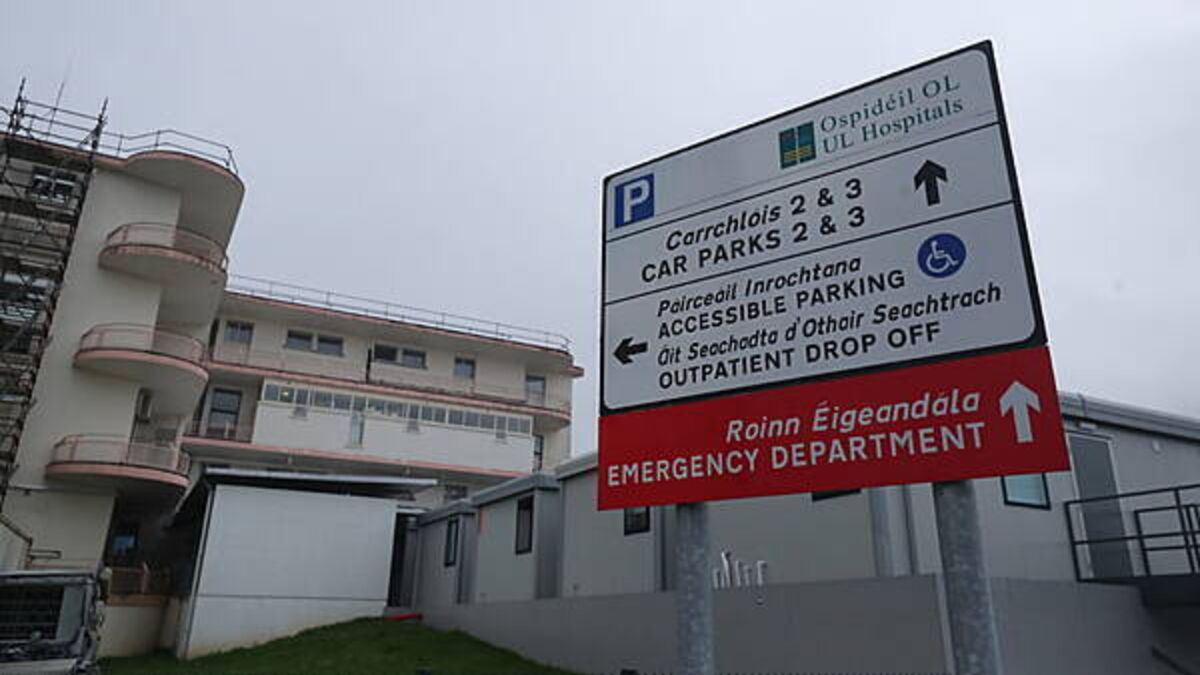
Trolley figures remain high in June, according to the Irish Nurses and Midwives Organisation (INMO), as 9,612 admitted patients spent time on trolleys waiting for a bed.
The most overcrowded hospitals in June were:
-University Hospital Limerick: 1,799
-Sligo University Hospital: 885
-Cork University Hospital: 708
-St Vincent’s University Hospital: 662
-University Hospital Galway: 617
66,400 patients have now been recorded on trolleys in the first half of 2026, an increase of 12 per cent compared to the same period last year, which could indicate a record-breaking year for trolley admissions unless urgent measures are taken.
INMO general secretary Phil Ní Sheaghdha said:“There was a time when we could expect a significant reduction in trolleys numbers during the milder summer months, but this has not been the case in recent years.
"Our members have had little reprieve from the daily levels of overcrowding they are working in.
“In June, nurses and midwives had to deal with the additional pressures associated with caring for patients in high-temperature weather conditions.
"These circumstances not only increase stress and exhaustion in nurses and midwives working in buildings not equipped to cope with higher temperatures but can also greatly impact patient safety as well.
“It is clear that given the current trajectory of year-on-year temperature increases, summer may become a period that will require significant planning to ensure the safety of everyone who attends and works within our healthcare system.
"The first half of 2026 has been extremely concerning, with a 10 per cent increase in the number of patients on trolleys compared to 2025. Nurses and midwives will not continue to work in these environments.
"If the HSE is serious about retention, predictable surges of healthcare needs must have a planned approach to deal with them so our members know they can care for their patients in a safe environment. The continued use of so-called surge capacity is particularly concerning.”