Government warned VAT cut would be an 'extremely significant' cost to the taxpayer
Ken Foxe
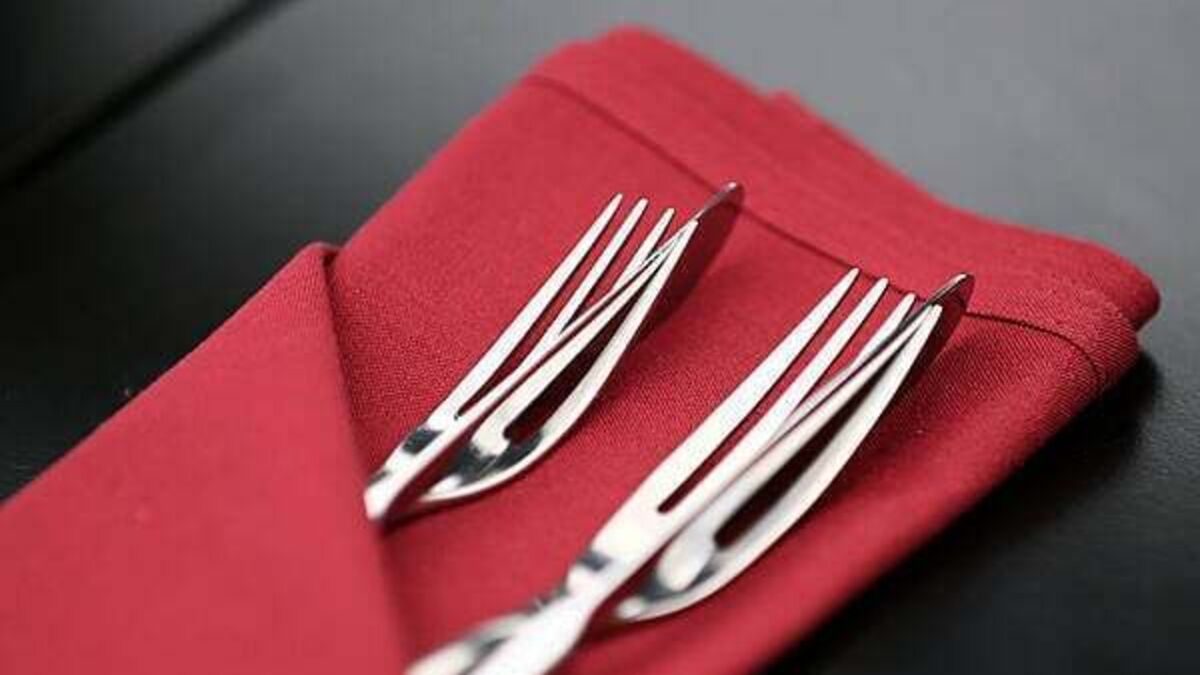
Officials warned that a cut in VAT for cafes, restaurants, and fast-food chains would come at an “extremely significant” cost to the taxpayer and would create a lot of “deadweight” by supporting businesses that did not need help.
In a pre-budget submission, Department of Finance civil servants said the measure would apply to all businesses, regardless of whether they were viable or profitable.
They told Minister Paschal Donohoe it was a “blunt measure” that would be poorly targeted and come with a “significant amount of deadweight.”
It said a direct measure to support struggling businesses would be a much more efficient and effective use of Exchequer funds.
The submission said: “A reduction in the VAT rate for the hospitality sector would represent an extremely significant, and potentially, ongoing cost to the Exchequer.”
It said the cut from 13.5 per cent to nine per cent would lead to further narrowing of Ireland’s already narrow tax base.
Officials said if three proposed cuts to VAT – including measures on energy and apartment sales – went ahead, the tax loss would be €1.2 billion.
The submission said most hospitality businesses would simply pocket the savings generated from the tax reduction.
It said: “This is supported by evidence that previous [industry] VAT rate cuts were not passed on to the same extent that the VAT restorations were.”
The tax paper also said that while difficulties in the hospitality sector were real, the cut might not even be enough to “alleviate the challenges” for struggling businesses.
It also explained how the underlying data in favour of any cut was “mixed.”
At the time of the discussions in the second quarter of this year, 130,000 people were employed in hospitality as compared to 125,700 a year earlier.
In advance of the budget, there were discussions over whether the tax cut could be more targeted to exclude highly profitable fast-food chains or restaurants in hotels.
However, the submission said: “Under EU law, it is not possible to target any potential VAT change to organisations based on criteria such as size, turnover, number of employees, geography etc.”
The Revenue Commissioners had also said there would be significant practical problems with having different rates applying in hotels for bed nights and food.
“This could lead to the underpayment of VAT because the charge for accommodation and meals would have to be apportioned,” the submission said.
It said it could lead to major “administrative and operational complexity” for Revenue and taxpayers or cause an “increased risk of avoidance and scope for manipulation.”
In a comment on the submission, Minister Paschal Donohoe wrote: “I understand the policy observations around this … and I am making the necessary arguments within Government on [the] need for trade-offs.
“This budget will not repeat the very substantial increases in tax credits of recent years, in turn yielding a broadening of the personal tax base.”