Carlow TD calls for blood test detecting 50 cancers to be rolled out nationally
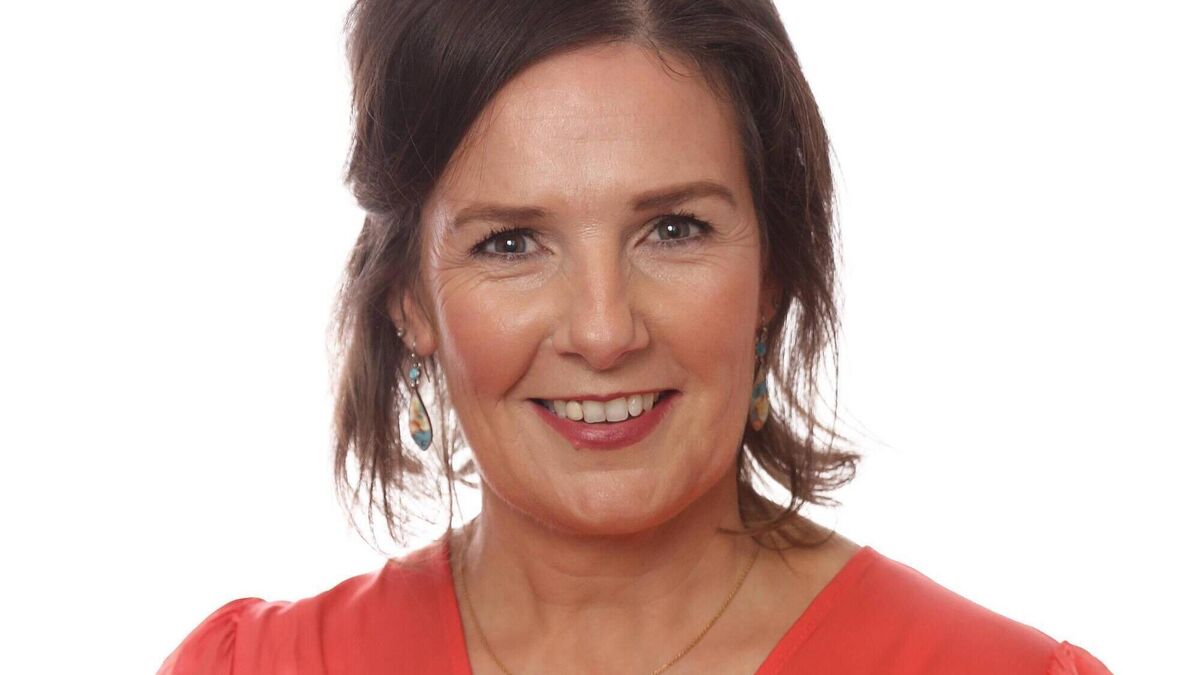
Catherine Callaghan
A CARLOW TD has called on the government to introduce a blood test capable of detecting more than 50 types of cancer simultaneously as a core part of Ireland’s cancer diagnostic and treatment services.
Fine Gael deputy Catherine Callaghan raised the issue in the Dáil, citing figures from the Irish Cancer Society showing that 47% of Carlow people diagnosed with cancer in 2024 died from the disease, a rate mirrored in neighbouring Kilkenny. In total, 365 men, women and children from the two counties lost their lives to cancer last year, nearly one person every day.
Deputy Callaghan is calling for next generation sequencing (NGS) â a blood-based test that can detect inherited cancer risks and identify multiple cancers at once â to be integrated into the public health service. The test is currently available through private healthcare providers, but at a cost that places it beyond the reach of many people.
“Patients in Carlow deserve the best that modern medicine can offer, and the blood test I’m proposing will help us deliver exactly that,” she said.
She told the Dáil that a medical consultant she had spoken with recently had described a publicly available blood test for detecting multiple cancers simultaneously as “a game changer for cancer care in Ireland”.
Deputy Callaghan also paid tribute to those who support oncology patients locally, including Carlow volunteer group Éist.
Tánaiste Simon Harris, responding in the Dáil, said he had met the Irish Cancer Society the previous week and that discussions had included NGS testing in the context of developing the next national cancer strategy. He confirmed that he would speak with the minister for health and ask that she engage further with deputy Callaghan on the matter.
The tánaiste noted that the hereditary cancer model of care is expected to be rolled out in a number of cancer centres by the third quarter of this year, describing it as “a big step forward” in offering genetic testing and pre-counselling to those at greatest familial risk. Funding has also been provided for additional posts, including two consultant medical oncologists with a special interest in genetics.
Deputy Callaghan has also called on the Hereditary Cancer Steering Group to include NGS testing in the model of care, describing the move as “scientifically sound, economically sensible and morally necessary”.
“No family in Ireland has been untouched by cancer,” she said. “To fully deliver on the promise of genomic medicine, we must make NGS the standard platform for cancer testing.”