Visual top energy user was among council buildings
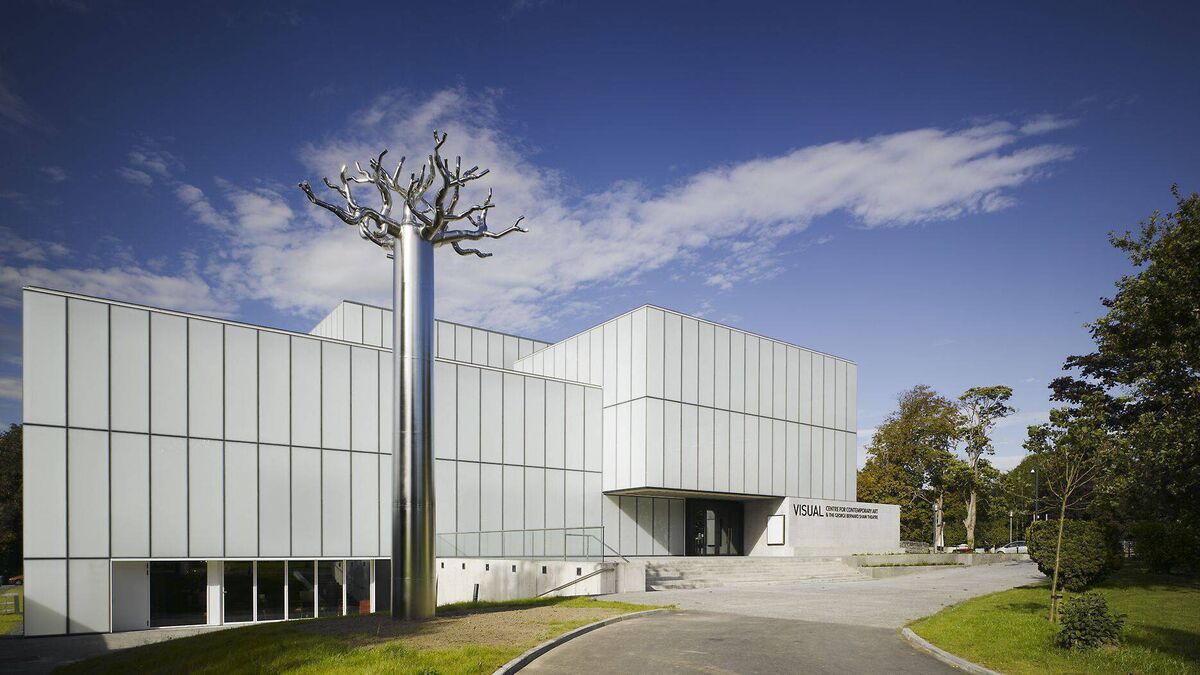
Visual arts centre in Carlow
THE VISUAL Centre for Contemporary Art was the top energy user among Carlow Co Council’s buildings in 2024.
The arts centre consumed almost 800,000kWh â equivalent to approximately 160 Irish homes for a year â with Carlow County Hall the next highest energy consumer at just under 400,000kWh.
The figures were presented to councillors at the February meeting of the council during a discussion of the 2025 implementation report of the .
Carlow Co Council’s climate action co-ordinator Jannette O’Brien briefed councillors on the climate action plan’s progress over the last year and explained that the data available is a year behind, as it must be verified by the authorities before being redistributed to the council.
“The data we have at the moment is for 2024, the reason being that’s what we have as verified data from the Sustainable Energy Authority of Ireland (SEAI). The 2025 data is being submitted at the moment,” said Ms O’Brien.
Regarding the energy usage of Visual and the county council buildings, Ms O’Brien explained that, as the two highest users of energy among the councils’ properties, the buildings have been selected for the SEAI programme.
The programme, which was established in 2017, is an initiative between the SEAI and public bodies aimed at achieving large-scale retrofitting of public sector buildings to make them more energy efficient.
“The SEAI programme is a funding opportunity, mentoring and support opportunity,” explained Ms O’Brien. “We had to do a register of opportunities, so we looked at our largest emitting buildings in the local authority and then we used that to identify priority retrofitting projects that will give the greatest energy and CO2 savings at the lowest possible costs.
“You can see there the county buildings at 12% and Visual at 25% were the highest greenhouse gas emitters and, given the highest opportunities to reduce emissions at the lowest cost, they were selected for the programme,” she added.
The council’s energy efficiency has improved by 41% since 2009, according to Ms O’Brien, which puts it firmly on track to meet the 2030 target of 50% improvement in energy efficiency.
Independent councillor for Tullow William Paton commended Ms O’Brien for her “enthusiasm and passion” about climate change, biodiversity and nature and enquired about how the council plans to keep energy usage down.
“Given that we opened a new housing office in Carlow town and our plans for the Bank of Ireland, we are going to need energy in there. The question then is: if we are going to spend more energy, how do we cut back elsewhere? What sort of plans are we going to be looking at cutting back?’’
Ms O’Brien responded that cllr Paton raised a “very valid point” and reminded councillors that the baseline targets in the climate plan are “absolute”.
“No matter what we do, we are mandated to make the same reductions,” she said. However, the programme would give the council “more wiggle room” in terms of energy usage when the Visual and county buildings are retrofitted.