Powerstown residents say ‘no’ to biomethane plant on their doorstep
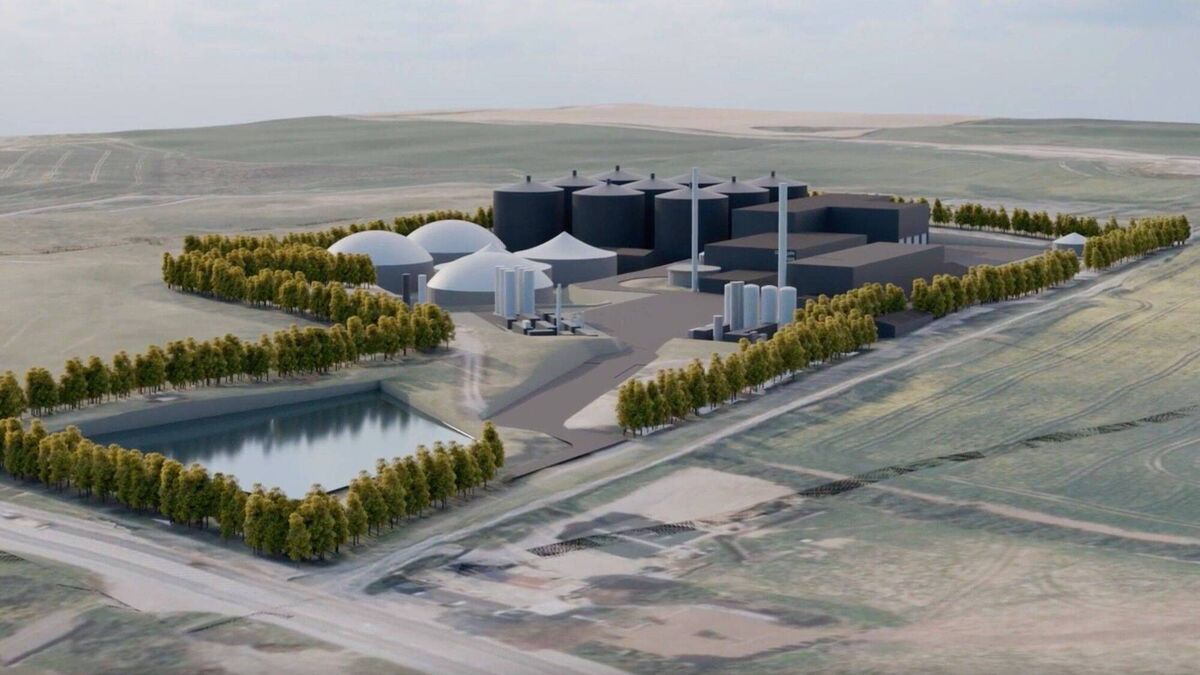
An artist's impression of what the Greengate Biogas plant will look like in Powerstown. Image taken from the Greengate website
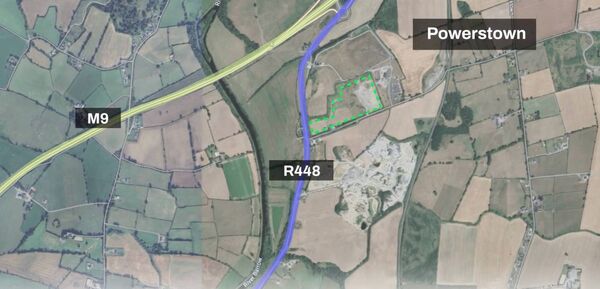
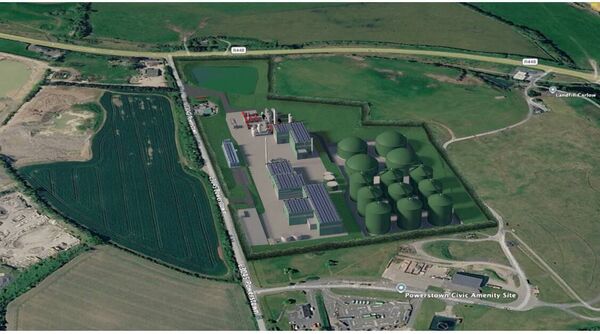
FOR decades, the people of Powerstown, Milford have lived with the smell of a neighbouring landfill, the shudder of quarry blasting and the hum of motorway traffic deep into the night. Now, some fear that what could become one of the largest biogas plants in Ireland, and maybe even Europe, planned for a disused quarry on their doorstep, will be one burden too many – and they say they were never properly informed.
The Powerstown bioenergy project from Greengate Biogas lodged with An Coimisiún Pleanála would break down organic material such as agricultural waste, food waste and slurry in sealed, oxygen-free tanks to produce biogas.
Longtime resident Bridie Lawlor says she only found out about the plant by chance when a friend asked if she was going to a meeting about it in the Woodford Dolmen Hotel.
She said neighbours received no notification and residents were told the meeting was for local farmers even though some of them didn’t receive notification about the meeting either. A promised general meeting for residents, she said, “never happened”.
She also claims planning notices, if posted at all, were placed in an obscure location near the landfill’s back gate, and that she only found out about the council meeting on the application after the deadline for objections had passed. The exclusion, she said, feels deliberate rather than accidental.
At a recent Carlow County Council meeting, cllr Daniel Pender said the consultation was missed by a lot of residents, with only around five or six submissions. He called on the company to come back and talk to residents, who “feel they have not been heard.” Greengate Biogas rejects claims the community was not consulted. In a statement to , CEO Charles Kane said a public consultation event in April 2025 “was publicly advertised in advance and open to all interested parties”. He said that the company has since engaged with residents, farming organisations, elected representatives and statutory bodies, and that notices were published “in accordance with the applicable planning requirements”.
Cllr Pender said the existing dump came up again and again in residents’ concerns. “Every single one of them has put up with the dump there for years and years and they now feel that they’re being asked to shoulder another burden for the rest of the county – and even the country.” Residents, he said, “don’t see an appropriate benefit from (the biomethane plant).” He also raised fears that a developer could secure permission and sell on, so that “every promise that they’ve made to the community then evaporates overnight.” Ms Lawlor says gas releases from the landfill, particularly on summer evenings, have forced residents indoors while quarry blasting has knocked ornaments off shelves.
The smell from the plant is another concern: “They keep telling us there’s going to be no smell, but we were told for years there was no smell from the dump.” She also fears heavy lorry traffic and says that, from what she has read, the plant must be kept at 37 degrees celsius, requiring additional fuel deliveries.
The site’s proximity to the River Barrow is another worry. “The winters are getting wetter. The amount of water that comes with slurry and the amount of overflow, if that gets back into the water is that going to contaminate our wells? The fish in the river?” she asks.
At the council meeting where the application was accepted, it was clarified this covered a ten-year construction phase rather than the standard five. Senior planner Anita Sweeney said that once operational, the plant “falls within the remit of the Environmental Protection Agency” under an industrial emissions licence with planning permission covering only noise, dust and traffic management during construction.
Mr Kane from Greengate Biogas said odour and noise “have been key considerations throughout the design process,” with enclosed feedstock reception and handling, negative-pressure buildings, biofiltration and noise attenuation. The project, he said, “will only proceed in accordance with any conditions and regulatory controls imposed”.
Greengate says the project will support renewable energy, rural employment and Ireland’s climate objectives.
Carlow farmers may be able to sell slurry, manure and silage to the plant although payment will depend on individual agreements, as there is no standard price for these feedstocks in Ireland. Other potential benefits include lower fertiliser bills through digestate, the nutrient-rich byproduct, easier slurry management and possible participation in cooperative energy projects.
For Ms Lawlor, however, the question is primarily one of location. “I am very protective of the area because it’s a beautiful place,” she says. “This plant needs to be put in a place where there’s no buildings, no one living or anything like that.”