Industrial school survivor Mary disappointed by state apology
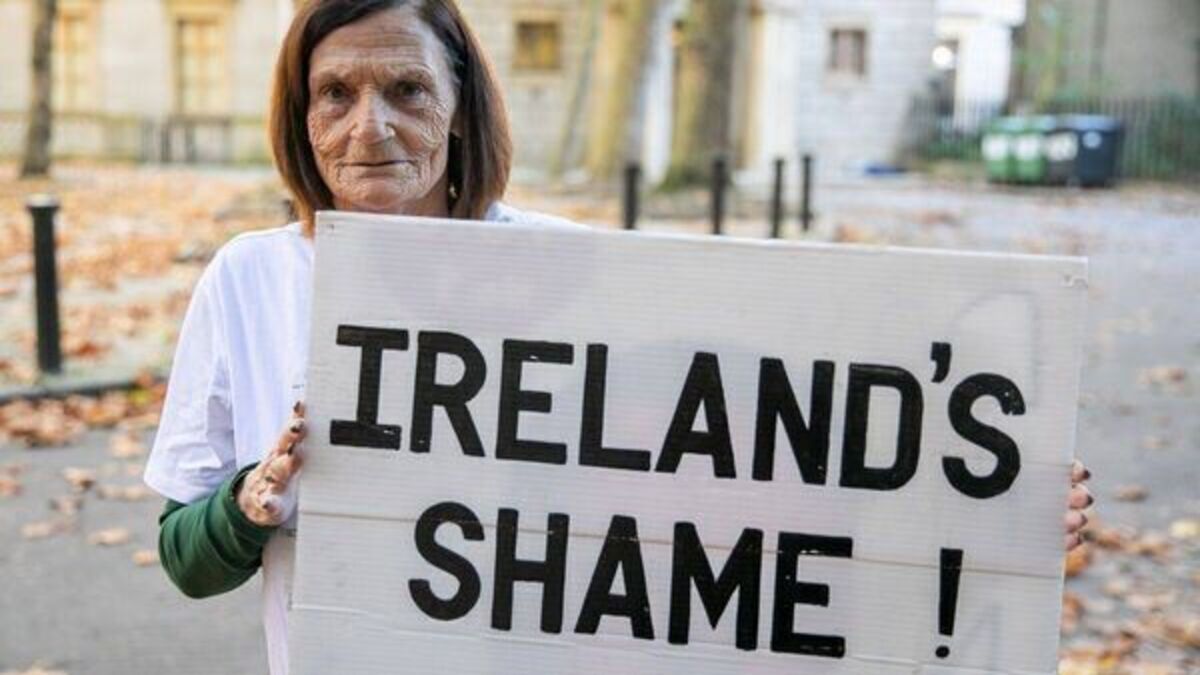
TAOISEACH Micheál Martin’s apology to survivors of industrial schools has been labelled “pointless” by survivor Mary Dunlevy Greene.
“What was the point of this apology?” she told . “When we got one by Bertie Ahern all those years ago. Bertie more or less said the same thing.”
Mary has expressed disappointment at the lack of progress the government has made in implementing welfare benefits that it promised when she and three other survivors ended their hunger strike outside the Dáil in November.
Mary (73) lives in Carlow town and from 21 September to 11 November 2025 she, alongside three other survivors of industrial schools, lived in a makeshift campsite close to Leinster House and went on hunger strike. The survivors were protesting what they deemed to be the unfair exclusion of industrial school survivors from healthcare and pension benefits that survivors of other religious institutions, such as Magdalene laundries and Mother and Baby homes, are entitled to.
Last Wednesday, Mary and the three other survivors were invited to attend the Dáil to watch taoiseach Micheál Martin issue an unequivocal apology for the “unforgivable” abuse and neglect they received as children.
Mary said that the survivors have not been given any dates by the government for when their benefits will be in place. She added that the survivors feel so exasperated by the current situation that they had considered not attending the official state apology.
“When they said they were going to give us the apology, we thought long and hard about accepting it before the services were put in place. We sent them an email saying that we want the services put in place before the apology,” Mary said.
The taoiseach’s apology was the fourth apology that the Irish state has issued to survivors of religious institutions in Ireland.
“We got an apology from Bertie Ahern 26 years ago on behalf of industrial and reformatory schools. We were promised the services, that we would be looked after for the rest of our lives with the services put in place. We have been negotiating for 26 years to get those services in place,” Mary said.
Before the apology, Mary and her three fellow survivors were invited to the taoiseach’s office for a private audience. Mary said that the three of them were handed certificates stating that their criminal records – which is something that all children entering industrial schools were issued with – had been expunged. However, the dates of birth or dates of admission and exit from their respective institutions were wrong.
“We had to give them back. In fairness, I did point out to them that the mistakes were probably not of their own making,” Mary said.
Mary explained that her mental and physical health had suffered as a result of the hunger strike.
“We were at death’s door when the strike ended, there’s no two ways about it. I had to go and get my eyes lasered two weeks ago because my eyesight was completely shot as a result of the hunger strike,” Mary said. “I haven’t eaten a full meal since the strike.”
For now, Mary says she and the other survivors are still hard at work trying to get fellow survivors access to the services they have been promised.
“The age cohort of the survivors is on the higher side. They’re not going to last forever. Services are not going to be needed forever – 15 to 20 years at most – and then nobody will need them anymore because they’ll all be dead and gone,” Mary said.