Civil ceremonies overtake church weddings in County Carlow
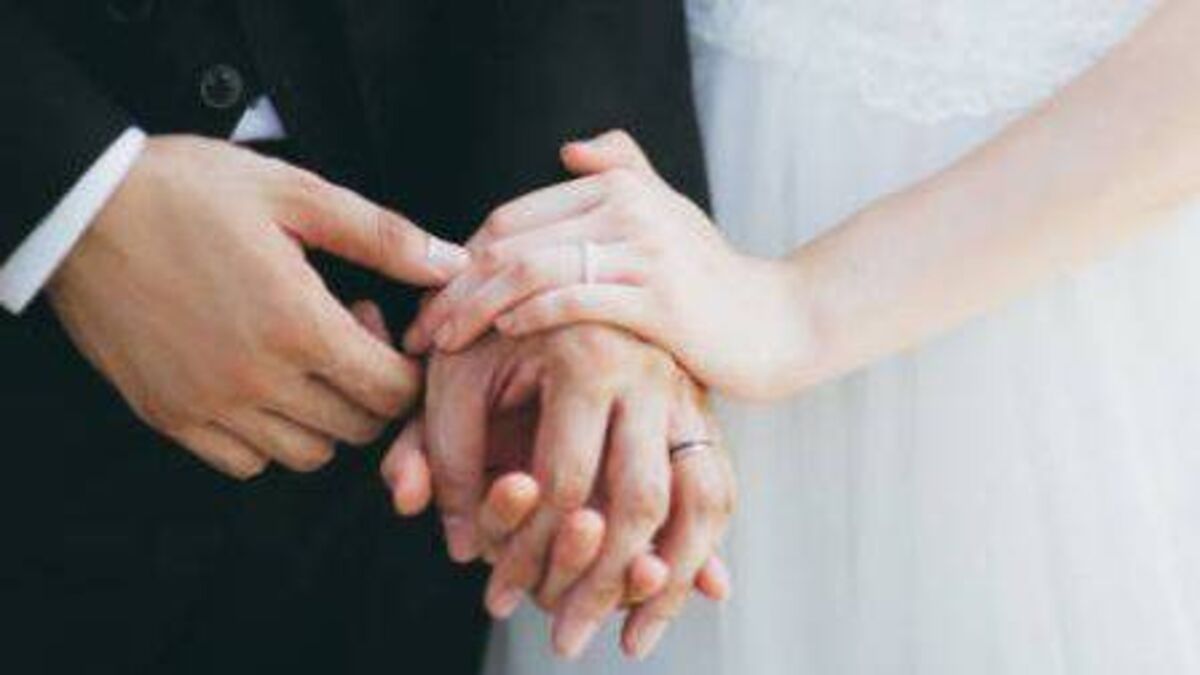
Civil ceremonies are now more popular in County Carlow than marriages in the church
THE number of couples in Carlow getting married at civil ceremonies overtook Catholic weddings for the first time in 2024, according to a new data release from the Central Statistics Office. In 2024, 115 couples who live in Carlow were married at a civil ceremony, while 92 couples tied the knot in a Catholic church.

Graphic showing changes in marriage types in Carlow
“My gut feeling was that this was probably always coming; 2024 was probably the year that it finally changed over,” said Dr Hazel O’Brien, a sociologist at SETU.
The number of Carlow couples getting married in a Catholic church has fallen dramatically in just 20 years. Whereas in 2005, 270 couples were married in a Catholic church, by 2024 the number had dropped to just 92, a third of what it was 19 years previously.
Bishop Denis Nulty of Kildare and Leighlin said in the past ten years “marriage has been redefined”, with more couples able to be legally married and having more choice in how to do it. But he believes Catholic weddings definitely have a future in Carlow.
“A church provides a tremendous setting for a wedding, with the atmosphere, music, flowers and ambience,” said Bishop Nulty. “I enjoy it immensely.”
In contrast, civil ceremonies have become an increasingly popular way of celebrating a couple’s union. It is also the most popular way of getting married for same-sex couples. A total of 67 female and male same-sex couples living in Carlow have gotten married since gay marriage was legalised by referendum in 2015, and almost two-thirds of these weddings were civil ceremonies.
Following the national trend, there has been a slight decrease in the number of weddings between opposite-sex couples taking place in the last ten years. Nationally, the number of marriages has fallen by 7.7% since 2014; in Carlow, there are 4% fewer marriages taking place.
Dr O’Brien explained that a combination of marriage as an institution “declining in power” and economic influences that are causing people to delay or put off marriage altogether could explain why fewer people are tying the knot. “You don’t have to get married anymore to be considered a legitimate member of society,” she noted. “Historically, marriage was a rite of passage that would almost signal entry into adult society.”
“The economics of the situation is critical here,” she added. “People tend to want to wait to get married until they have a steady job and their accommodation is steady and sorted and they want to have their education completed. All of that has totally changed: people are struggling to find a steady job, there’s a housing crisis going on and people are staying in education longer.”
Dr O’Brien pointed out that a huge number of people in Ireland still identify as Catholic, even if they do not practice the religion or get married in a Catholic church. “It is often a signifier of Irishness or family tradition. It doesn’t mean they will go along with it in terms of doctrine or obey the Church’s rules in everyday life.”
On this point, Bishop Nulty said “the doors of the church are open to everyone” but that he encourages couples to practice their faith. He further pointed out the “unique” marriage preparation and counselling services offered by the Catholic Church and related organisations.
“Marriage is actually about the community. It’s not just about themselves,” he reflected.