Transport Infrastructure Ireland hamstrung by conflicting government policy
Ken Foxe
Transport Infrastructure Ireland have said they were hamstrung by year-on-year budget allocations, conflicting government policy, and delays from judicial review.
In a presentation to a high-powered infrastructure taskforce, Transport Infrastructure Ireland said constantly changing government policy was like working with “moving goalposts.”
It said there was a lack of clear priorities and that annual funding, instead of multi-annual budgets, led to a “thin pipeline” of projects.
TII said policy on climate action and spatial planning was changing faster than the planning process, leading to considerable risks.
It said some projects could be given planning permission, but that government policy would change in the meantime and leave them “open to judicial review.”
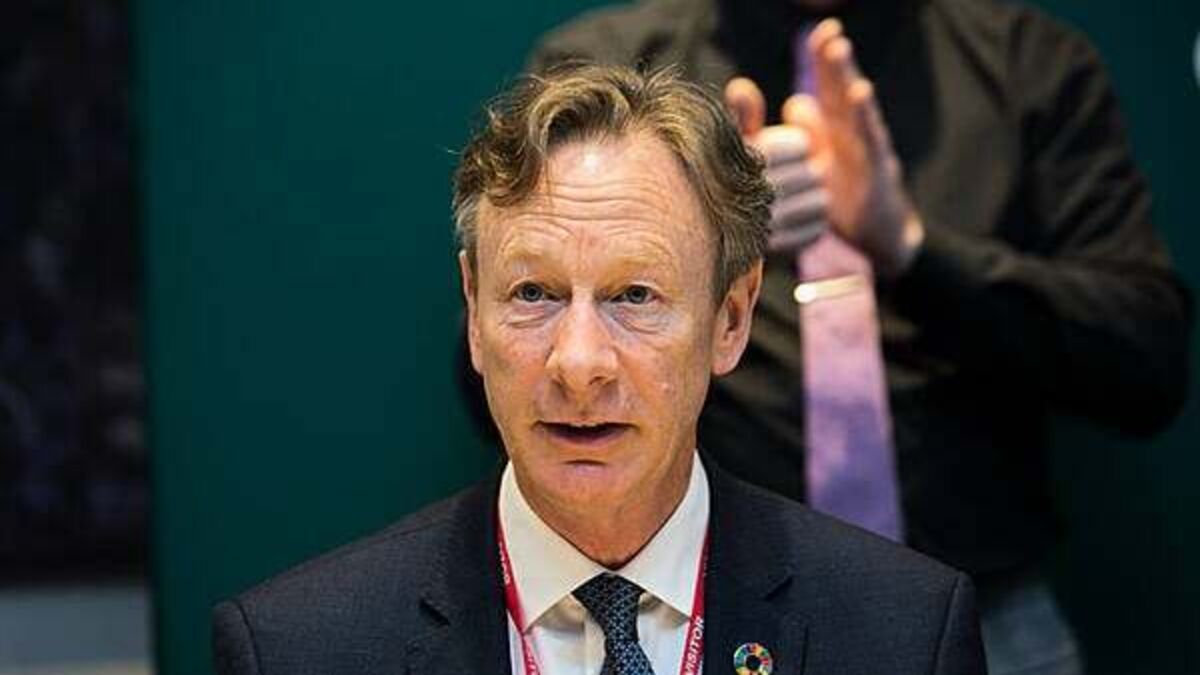
The presentation was given to the Accelerating Infrastructure Taskforce in June by TII’s chief executive, Peter Walsh.
It said population growth in Ireland had left services and the transport network under severe pressure and investment was needed.
Chronic congestion problems in cities like Cork, Galway, and Waterford were getting worse and becoming more costly to productivity.
It said Government needed to set out much clearer national priorities and that state agencies had to work more closely together.
TII said multi-annual funding would give confidence to industry and that broader infrastructure plans were something that could be looked at.
It said the Adare Bypass had been a good recent example of government bodies working together to get a project moving quickly.
On the planning system, TII said there was “no economic risk” involved for people who took a judicial review.
The presentation said it could add delays of between one and four years, and that planning for infrastructure was taking up to nine years, and sometimes even longer.
TII also highlighted government approval processes, which required several lengthy technical reviews by multiple agencies.
It said this led to the reopening of “settled questions” causing delays while guidance on how to appraise projects kept changing.
The slideshow said the various review layers should be “collapsed” and the focus should be on mega-projects worth half a billion euro or more.
TII lamented resourcing issues and said “stop-start project delivery” was making it difficult to retain resources, expertise and capacity.
The presentation said local authorities were overstretched, with eroded skills and facing recruitment barriers.
Contractors sometimes favoured work in other countries, leading to “leakage,” as it was essential for them to have reasonable certainty or predictability on available work.
It added: “Public confidence in schemes [is] impacted.”
The slideshow also pointed to a regulatory backlog in determinations on the environment, habitats and biodiversity, waste, and other areas.
TII said what would help them was a revised multi-annual National Development Plan that would show the construction and supply industries there was a steady flow of strategic projects.
It called for a renewed focus on light rail, continued support for Dublin’s Metrolink, and a review of processes around judicial review.
Asked about the presentation, a TII spokesman said: “[Our] expertise in the delivery and operations of transportation infrastructure across the National Roads Network, the Luas Network, MetroLink and Active Travel/Greenways offered a practitioner’s insight to assist the [taskforce].”