Fear of ‘recriminations’ over formal complaints, Defence Forces Tribunal told
By Cillian Sherlock, Press Association
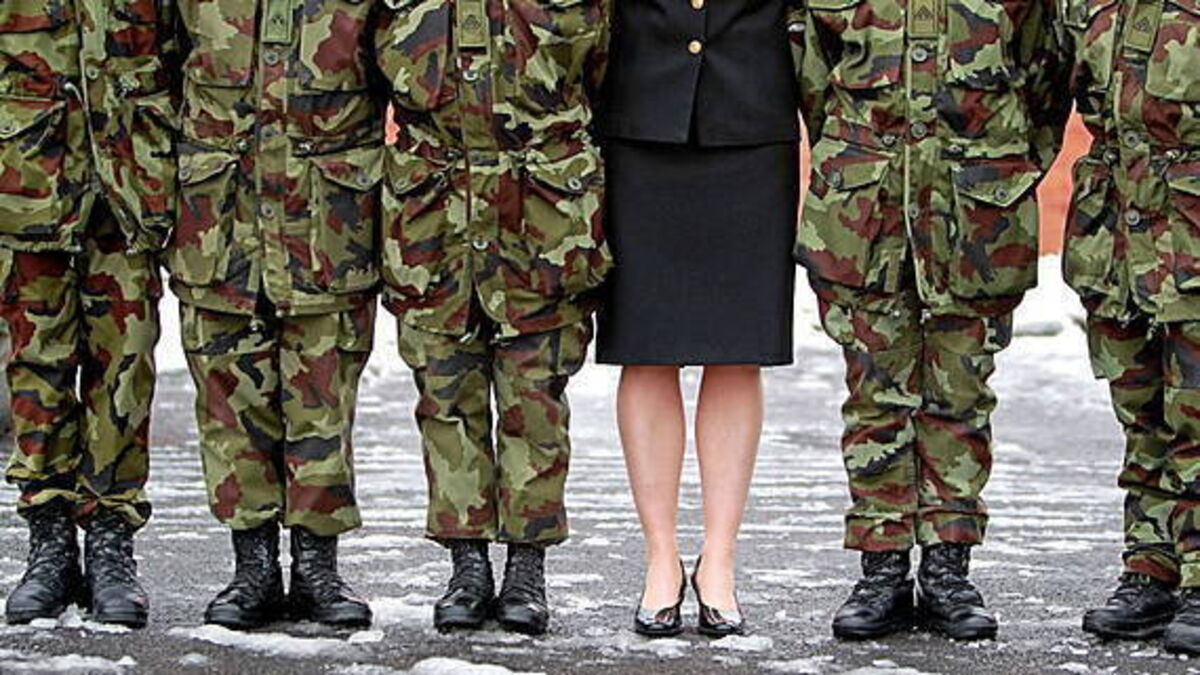
Some Defence Forces members were concerned about “recriminations” if they pursued formal complaints, the organisation’s head chaplain has told a tribunal.
Fr Paschal Hanrahan told the Defence Forces Tribunal on Friday that he heard in discussion with other chaplains that some military personnel were “nervous about going down formal approaches” with complaints in case it “acerbate the issue”.
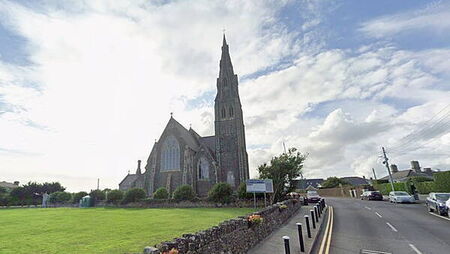
He also said a situation where there was not a full-time chaplain at the former apprentice school at Devoy Barracks was a “serious, grave dereliction of duty of care”.
His assessment came on the third day of public oral hearings at the Government-established Tribunal of Inquiry, which is examining allegations of sexual misconduct, bullying and discrimination in the Defence Forces – as well as the handling of dangerous chemicals.
Fr Hanrahan, who was appointed as head chaplain of the Irish Defence Forces in 2022 after serving in a similar role in the UK, said the concerns over “recriminations” may relate to impacts on careers, promotional prospects or that “they might just get the name of being a moaner” or “complainer” or “troublemaker”.
Not everybody wanted complaints to be formalised
The tribunal has heard that chaplains are seen as providing a function within the Defence Forces’ complaints processes.
Fr Hanrahan told Friday’s hearing: “Not everybody wanted complaints to be formalised.”
In an earlier interview with the tribunal, which was raised during the hearing, the chaplain said that not everybody felt they could take a complaint to the chain of command because “they felt it would only make matters worse for themselves”.
Asked why this would be the case, he said there was a “misconception”.
Under questioning from barrister Lalita Morgan Pillay from the tribunal’s legal team, Fr Hanrahan said: “It takes a certain amount of moral courage to stand up and make a complaint.
“I suppose the misconception comes maybe from rumour, maybe within units, that whatever you do, you can’t make a complaint – that might be a misconception that people developed over time.”
Asked if he had heard of senior officers commenting negatively about people who had made a complaint, he said he had not.
The tribunal also examined issues of complaints arising out of the Irish Army Apprentice School at Devoy Barracks in Naas, Co Kildare – which was closed in 1998.
The school would have dealt with personnel as young as 16.
It's a serious, grave dereliction of duty of care that there wouldn't have been a full-time chaplain appointed to a barracks like Devoy Barracks
Asked about reports that there were periods at the apprentice school where it did not have a full-time chaplain, Fr Hanrahan said he was aware of that situation.
He told the tribunal: “It’s a serious, grave dereliction of duty of care that there wouldn’t have been a full-time chaplain appointed to a barracks like Devoy Barracks where you would have had vulnerable adults and minors.”
He said that – due to the age profile of those based there – there should have been a full-time chaplain appointed to the Apprentice School, adding it was his personal view that “no barracks should be left without a chaplain”.
Earlier in the proceedings, the tribunal heard evidence from a senior figure in the Apprentice School between 1995 and its closure in 1998.
Colonel Fred O’Donovan told the tribunal that apprentices were aware of formal mechanisms in which they could make complaints.
Under questioning from Patrick Marron BL, who is instructed by Coleman Legal which represents members who have raised complaints about the Apprentice School, Col O’Donovan said he could answer questions about his time at Devoy Barracks between 1995-1998 and was “not willing to speculate” on earlier incidents.
Asked if leave could be withdrawn for disciplinary matters, he said it could.
Col O’Donovan told the judge leading the tribunal, Ann Power, that matters of discipline were dealt with by the platoon commander initially before going on to the company commander, depending on severity – for example, being absent without official leave.
Asked if withdrawal of leave was ever used as a form of punishment, he said: “Not in my time there.”
He said all leave was privileged and could be withdrawn for operational reasons.
Pressed on whether leave had to be withdrawn for any reason other than operational reasons, he said that when a charge is proven against a soldier, they may be confined to barracks as part of the punishment, but drew a distinction between this and withdrawal of leave.
Asked if such a person would have had their leave withdrawn if it had been granted for that period, he said it “absolutely” would as part of confinement.
Ms Justice Power asked if it could never be withdrawn other than by being charged with an offence or for operational reasons.
Col O’Donovan said that “sometimes in the past” troops had weekend passes withdrawn over “prevalent” inspection failures.
We were actually quite lenient on them
Asked by Ms Justice Power if he ever came across complaints relating to distressing matters, he said “not in my time in the Apprentice School”.
He added he had trained a lot of people after that, and he came across no distressing issues.
He said people in command had to “make sure the troops in training are OK”, adding: “At the end of the day, that’s the most important thing.”
Col O’Donovan said apprentices could raise issues about senior officers with personnel above them, but admitted this was “not very likely” to happen.
Addressing his time at the Apprentice School, he said: “It wasn’t the case they were afraid, they certainly weren’t afraid.”
Outlining that the three-year training period was the longest timeframe in the Defence Forces, he added: “Because it was a three-year period, we were actually quite lenient on them compared to recruit training.”
Asked about a suggestion that the Naval Service had made a decision to withdraw apprentices from Devoy Barracks, he said he had no knowledge of that.
The tribunal resumes on Tuesday.