At least 10 unrepresented accused challenging legality of their detention
High Court Reporter
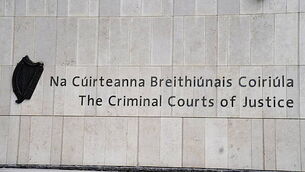
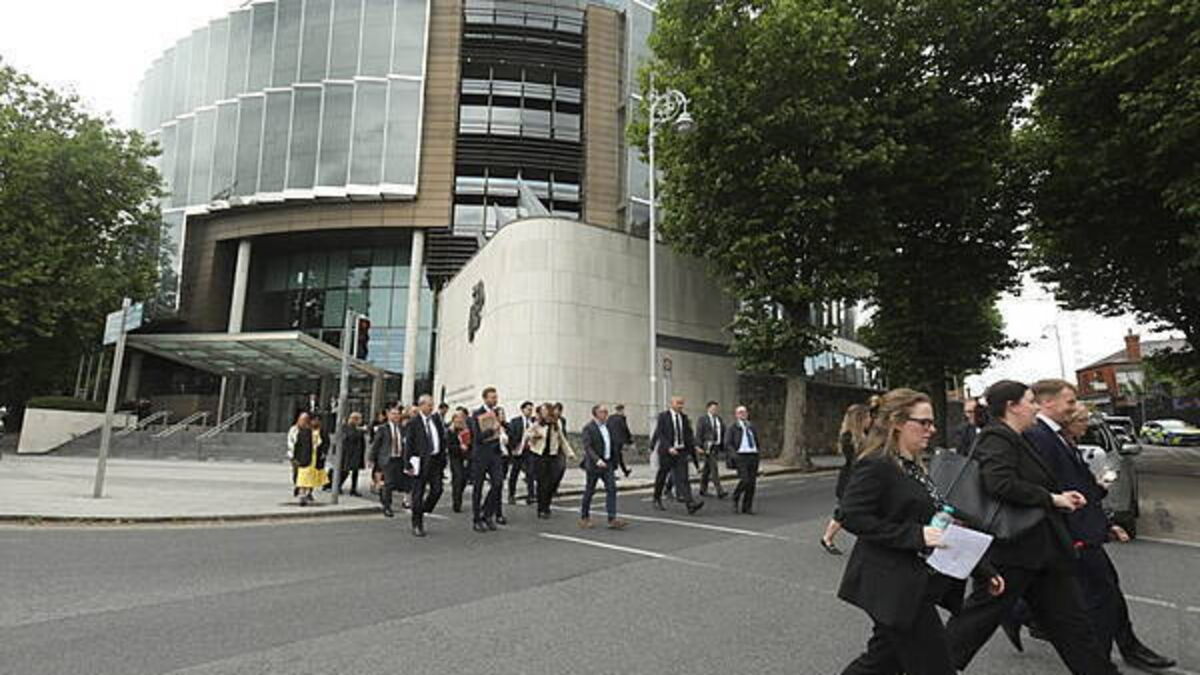
At least 10 accused persons who were remanded in custody after they appeared in the District Court unrepresented due to a dispute over the new legal aid payment model are challenging the legality of their detention in the High Court.
The accused were unrepresented at recent hearings in circumstances where some solicitors working in the District Court are refusing to work under the revised legal aid scheme, which came into effect earlier this month.
The scheme provides for a once-off legal aid fee of €520 irrespective of how many appearances solicitors make to represent a client in the District Court. Previously, solicitors were paid per appearance.
Minister for Justice Jim O’Callaghan, who introduced the new regulations earlier this week insisted that he would not revoke the controversial scheme.
In the High Court, Judge Mary Rose Gearty on Tuesday set a date next week for the hearing of the cases brought by the unrepresented accused alleging unlawful detention.
The cases – known as habeas corpus applications – have been brought under a provision in Article 40 of the Constitution, which allows for a challenge to the legality of a person’s detention.
It is submitted on behalf of the accused that, arising from their being unrepresented in court, they were denied fair procedures. It is also argued that there is a right to legal representation.
In some of the cases, it is alleged that the Minister acted beyond his powers in introducing the new legal aid payments model.
The judge was told there was agreement between the parties that this argument could be left over pending the outcome of a judicial review challenge to the regulations.
That challenge, brought by Dublin solicitor John Quinn, is due to be heard at the end of the month.
In the case of several of the accused, the High Court granted bail following the initiation of the habeas corpus applications.
At Tuesday’s hearing, one accused, who previously appeared in the District Court on a minor criminal damage charge, was denied bail by Judge Gearty.
The judge said there was not sufficient evidence before the court to grant bail, after a garda witness raised concerns about the accused not turning up in court.
The garda told the court the accused was subject to nine bench warrants this year.
The accused told the judge he did not show up to court on those occasions due to his drug addiction. He said he was now drug-free.
The judge said that if it was possible to confirm the accused was drug-free, she would reconsider the question of granting bail.
The cases return next week.