€1.7bn Libyan funds frozen in Ireland should go to IRA victims, British lawyer says
Eva Osborne
A British lawyer has called for €1.7 billion in Libyan funds, which are frozen in Ireland's Central Bank, to be given to those killed or seriously injured by Libyan Semtex, which includes IRA victims.
This morning on RTÉ Radio 1 Today with David McCullagh, Jason McCue, a British human rights lawyer who represents victims and victims' families of IRA bombings, said he believes the money, or the interest accrued, should go to those who were killed or seriously injured by Libyan Semtex.
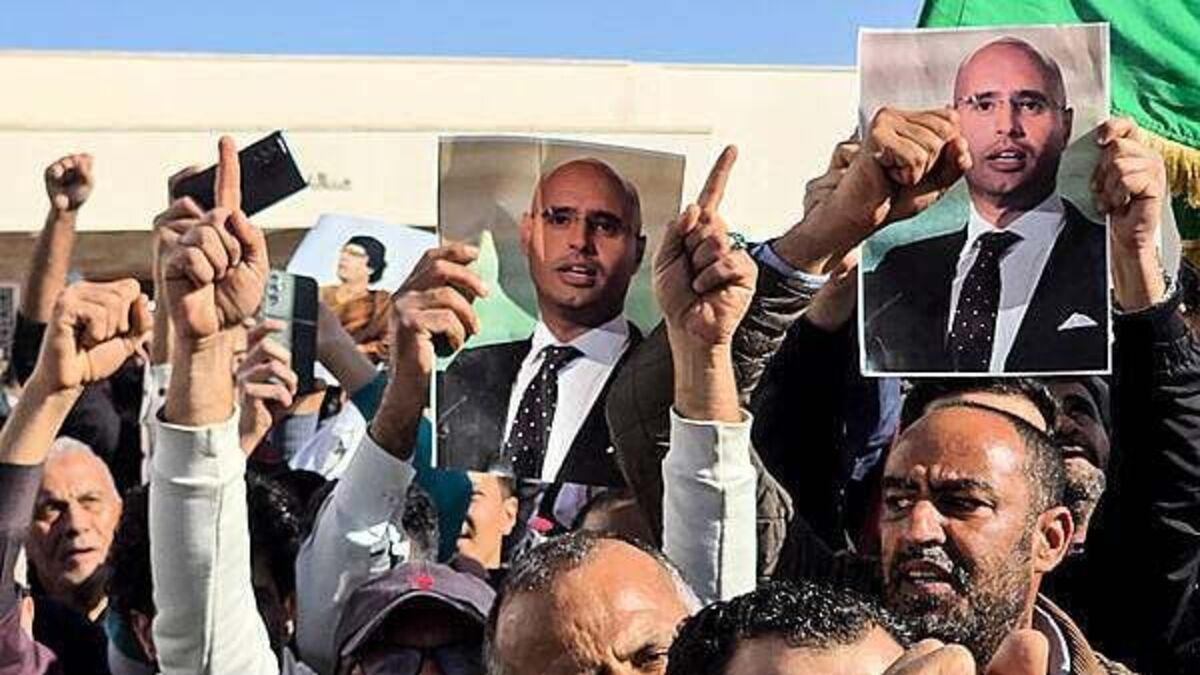
The killing of Colonel Gaddafi's eldest son, Saif, in Libya last month has shone the spotlight once more on Libya’s sanctioned sovereign wealth fund.
The total seized fund is worth over €60 billion, and part of it, €1.7 billion, has been frozen in Ireland since 2011. This is controlled by the Central Bank.
While the Gaddafi's were in power, Saif reportedly had control of this fund, giving him and the family access to the money.
Speaking to McCullagh, McCue said: "Well, in the time leading up to 2011, I think it was February 17th the revolution, Gaddafi was the sort of bad boy of international world.
"And he had, from he 1980s, made great speeches about how he was going to arm the IRA and give them the means by Semtex to bring his words, rivers of blood, throughout Britain.
"So when the revolutions started, not surprisingly, the international powers that be decided this was an opportunity..."
"So the international powers, through the UN, slapped sanctions on him and his family and all his cronies, all his intelligence operators, who had stored away billions and billions of dollars all over the world. €1.5 billion of that, I think, was in the Republic."
McCue said the €1.5 billion figure now has about €200 million of interest or managed revenues on it, which is a "considerable amount of money".
McCue said he wants access to this money for his clients.
"I want them (victims) to be paid compensation and reparations, which they're due under international law and agreements that they got off the Libyans.
"I also got the Libyans to agree that they would consider a payment to the broader victims right across all communities from the Northern Ireland Troubles. It could kick start a reparations fund for cross-community.
"This frozen money which has been sitting there since 2011 should be used for good purposes."