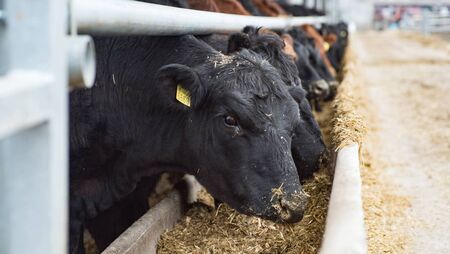
Farming org says government needs to act now to support farmers in drought
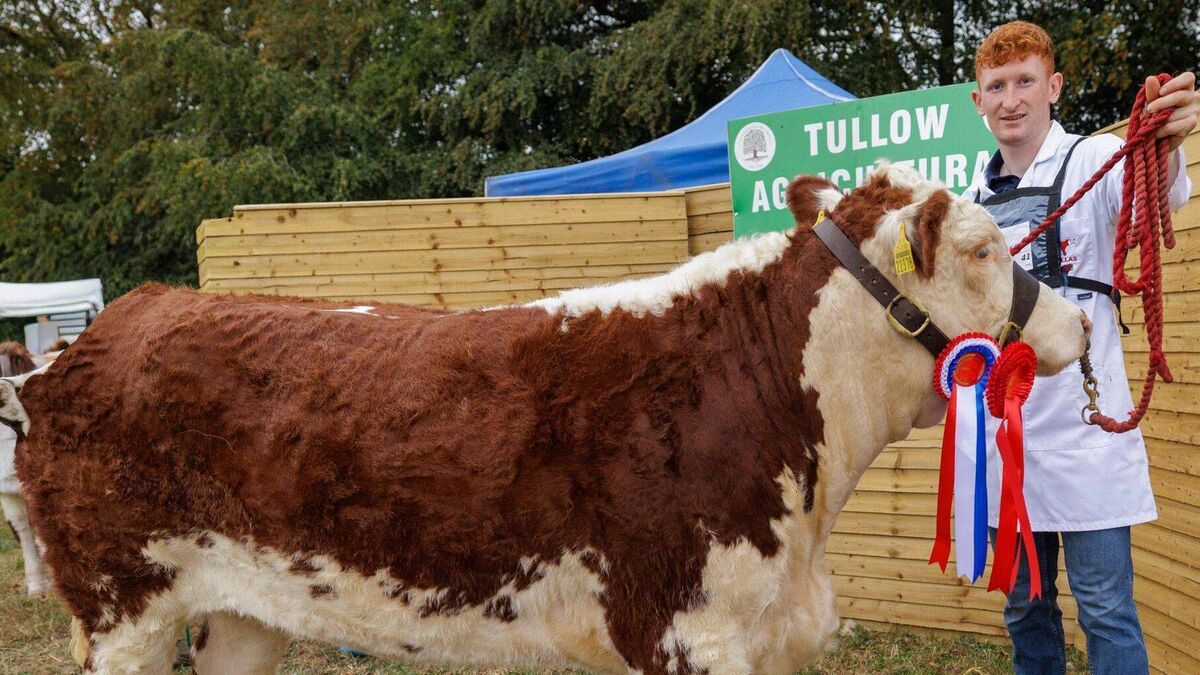
Conor Jones with his champion Hereford at the Tullow Agricultural Show which was recently held Photo: michaelorourkephotography.ie
FARMING organisations have called on the government to act urgently to support farmers facing mounting fodder and financial pressures as prolonged dry weather continues to affect farms across the country.
Macra and the Irish Cattle and Sheep Farmers Association (ICSA) were among the groups that met minister for agriculture Martin Heydon in Backweston, Celbridge, County Kildare to discuss the impact of the ongoing dry spell, with both organisations warning that farmers are already digging into winter fodder reserves and buying in concentrates far earlier than planned.
Macra president Josephine O'Neill said young farmers were facing a significant and unforeseen cost. "Many are feeding silage intended for the winter while purchasing concentrates far earlier than planned. With margins already extremely tight, this is creating serious cash flow pressure," she said.
Macra also raised concerns over diminishing winter fodder stocks and reduced yields for tillage farmers and vegetable growers. The organisation welcomed the minister's commitment to reconvene the National Fodder and Food Security Committee but said it was disappointed no concrete timeline had been given.
"The committee needs to meet urgently and it cannot be a talking shop. We need concrete actions and meaningful supports that address the challenges farmers are facing now and in the months ahead," Ms O'Neill said.
Macra echoed the minister's call for farmers to complete fodder budgets to help assess available stocks and inform the response required. "The situation is developing quickly. We need to understand the scale of the challenge and ensure young farmers are supported before pressures deepen further," she added.
ICSA president Sean McNamara said the government could not afford to wait for a fodder crisis to develop before acting. "Farmers are already feeling the impact of the dry weather, with grass growth severely restricted in many areas and winter fodder being used earlier than planned. We need to act now to grow as much fodder as possible, protect supplies for the winter and make sure farmers can access affordable feed," he said.
McNamara said the drought was not just a fodder issue but an income issue for livestock farmers, who are facing higher costs from increased feed purchases and early use of winter fodder. "This is putting a real financial strain on livestock farms and that has to be recognised in any government response. Farmers need financial support when the pressure is happening, not 12 months down the line," he said.
While the upcoming Teagasc fodder survey would be important, Mr McNamara said farmers could not wait for its results before action was taken. He called for a number of practical measures, including allowing farmers to cut riparian zones before 1 September, extending the deadline for chemical fertiliser application beyond 15 September on a once-off basis and providing support for seed for fast-growing forage crops such as Westerwold and rye, as well as support for catch crops to facilitate extended grazing and free up ground for winter silage.
Mr McNamara also called for co-ops to audit available feed stocks so surplus grain and fodder could be moved to where it was needed, along with support for farmers buying locally produced grain and haulage support to transport feed to areas experiencing shortages.
He warned that if farmers were forced to sell livestock earlier due to grass and fodder shortages, it could lead to a significant increase in animals coming onto the market, alongside a possible influx of dairy cows to factories later in the year. He said alternative outlets should be considered rather than allowing a large volume of animals to hit the factory market simultaneously and cautioned against drought pressures being used as a reason to push beef or lamb prices down.
Looking further ahead, Mr McNamara said farmers could face an even greater challenge next spring if winter fodder supplies run low and called for planning to begin now, including examining whether slurry spreading could be permitted earlier next year if conditions allow.