Massive policing operation as two protests and FA Cup final coincide in London
By Margaret Davis, Press Association Crime Correspondent
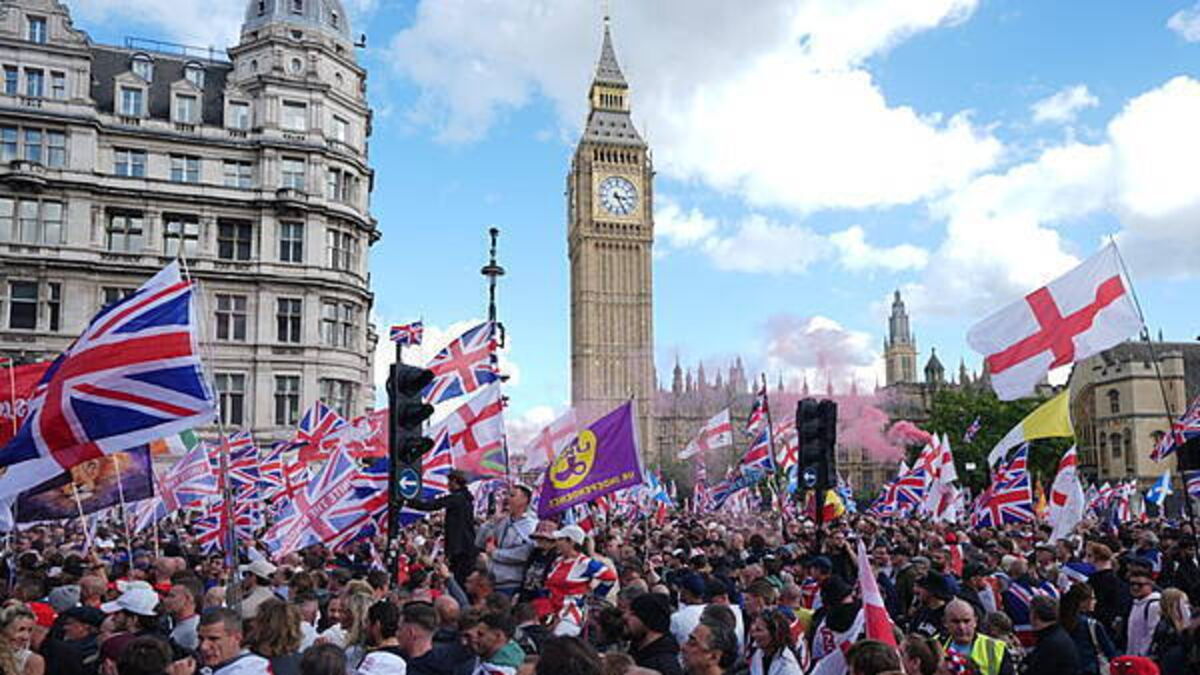
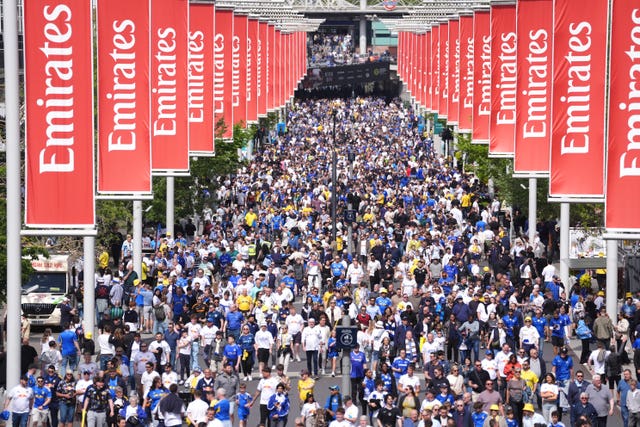
A massive policing operation on a scale “unprecedented in recent years” is being planned as two protest marches and the FA Cup final take place in London on Saturday.
Thousands of officers will take to the streets, and armoured vehicles will be deployed along with police horses, dogs, drones, and helicopters as the Met aims to avoid clashes between groups of protesters.
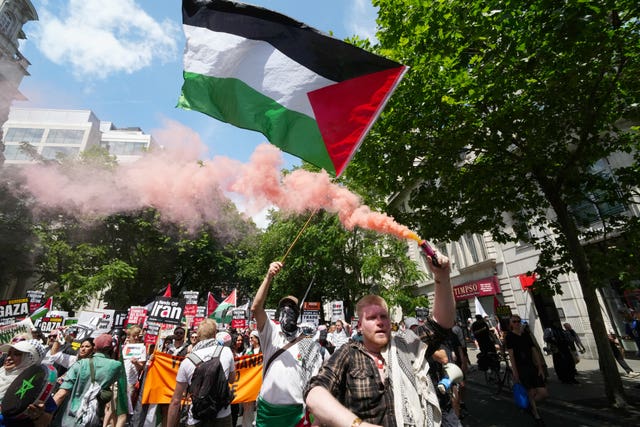
Heavy restrictions have been put in place in a bid to keep the Unite the Kingdom and pro-Palestine Nakba Day rallies separate, with added concerns that some football fans will go straight from the FA Cup final to the Tommy Robinson event.
For the first time under official protest restrictions, organisers of the rallies will face prosecution as well as any speakers who break the law by using the events as a platform for extremism or hate speech.
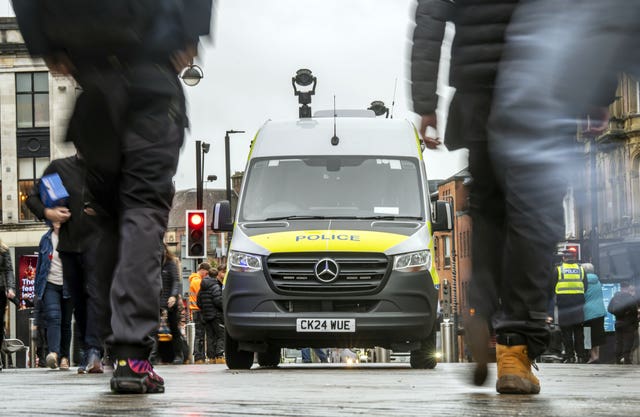
Live facial recognition will be used for the first time in a policing operation around a protest, with cameras set up in a location in Camden that is not on the route of the Unite the Kingdom march, but is expected to be used by a lot of people attending the event.
There remain more than 50 outstanding and unidentified suspects after violent clashes between police and protesters at the previous Unite the Kingdom event in September.
Metropolitan Police Deputy Assistant Commissioner James Harman said the scale of the operation is “unprecedented in recent years” and will cost the force £4.5 million, £1.7 million of which is to bring in officers from other forces to boost numbers.
Around 4,000 officers are expected to be on duty on Saturday, with 660 being drafted in from forces outside the Met.
Mr Harman said: “We are policing two significant and potentially challenging protests in the centre of London, as well as the FA Cup final, which is taking place in Wembley on the same day.
“We’re doing this at a time of continued global instability and tension, which we know has the potential to fuel tension and play out on the streets of London, the terrorism threat level has been raised to severe, and in recent weeks and months, we have seen a terrorist attack.
“We’ve seen a sustained campaign of arson targeting Jewish Londoners, against the backdrop of increasing hate crime, in particular antisemitism.
“So fears in Jewish communities are particularly heightened, but we’ve also seen increased concern more broadly, including in Muslim communities.
“Taken together, these factors give us significant cause for concern as we head into the weekend, and require a policing plan that provides us with the most assertive grip on the movement of large numbers of people, large groups, and the potential for serious disorder and other criminality that may arise as a result.”
Strict conditions have been placed on both marches, with protesters having to follow certain routes at specified times, and to rally in specific locations: Unite the Kingdom starting in Kingsway and ending in Parliament Square, and Nakba Day starting in Exhibition Road in Kensington and ending on Pall Mall.
Mr Harman said that while some pro-Palestine marches had made Jewish people feel unsafe, some Unite the Kingdom demonstrations had made Muslims feel the same way.
Police are expected to monitor slogans used and have been in discussions with prosecutors about language which has previously not been criminalised, but could see protesters arrested.
Recent criminal cases have seen suspects charged after shouting “death to the IDF (Israel Defence Forces)” and “globalise the intifada”.
Earlier this week, British Prime Minister Keir Starmer said he would block “far-right agitators” from coming to the UK for the Unite the Kingdom march which he said was “designed to confront and intimidate… this diverse country”.
So far the Home Office has blocked seven people from travelling to Britain from overseas for the event.
Police estimate around 50,000 people will attend the Unite the Kingdon rally, with 30,000 at Nakba Day.