Man who raped sisters, daughters and niece loses appeal against his convictions
Ryan Dunne
A 64-year-old man who sexually abused and raped two of his sisters and his niece until they ran away from home, before going on to rape his own two daughters, has failed in his bid to have his convictions overturned.
At the Court of Appeal on Thursday, Mr Justice Patrick McCarthy ruled that there had been no prejudice to Richard O’Brien by the trial judge allowing the victims in the case to give their evidence via video link. The court also rejected the appellant’s argument that there was no evidence of a lack of consent given by some of the complainants.
O’Brien had denied all the offences but was convicted unanimously by a jury following a trial in 2023.
His five victims – O’Brien’s sisters Theresa and Anne, niece Mary and his daughters Sonya and Agnes - indicated that they had waived their right to anonymity so he could be named.
The Central Criminal Court heard that the abuse of his two sisters and his niece occurred at his family home at O’Moore Road, Ballyfermot and continued until each of the three women ran away as teenagers. The women also gave evidence of physical abuse and emotional “torture” at his hands.
The women described growing up in a dysfunctional home where there was neglect, physical mistreatment and little point in disclosing the abuse they were suffering at the hands of their brother.
O’Brien went on to sexually abuse and rape his own two daughters until they were taken into care.
One of his daughters later told her foster mother that she had been sexually abused by her father, and the gardaí were alerted. Her sister, aunts and cousin then also came forward.
The Central Criminal Court heard that O’Brien also wrung the necks of a puppy and a kitten belonging to his sisters during their childhood.
O’Brien of Cremona Road, Ballyfermot, Dublin 11, was convicted by a jury of 63 counts of rape, sexual assault and indecent assault against the five victims on dates between 1975 and 2011. He was sentenced to life in prison by Ms Justice Mary Ellen Ring in May 2023.
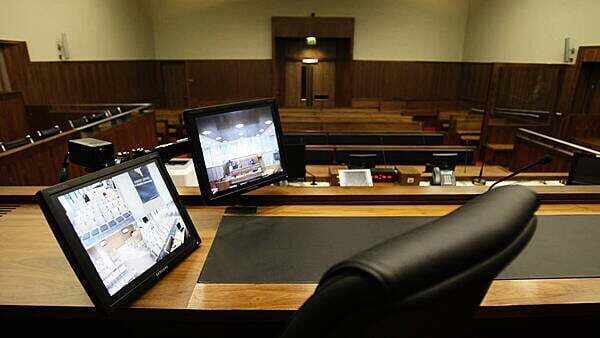
Launching an appeal against his conviction earlier this month, Paul Murray SC, for O’Brien, argued there was a risk of unfairness to O’Brien in allowing the victims to give evidence by video link where the natural reaction of the witness would not be clear.
He said in order for a court to grant leave for a witness to give testimony by video link, there must be sufficient evidence that it is necessary.
Mr Murray also argued that certain rape counts on the indictment should have been withdrawn from the jury because no evidence of a lack of consent was given by some of the complainants.
In response, Seoirse Ó Dúnlaing SC, for the Director of Public Prosecutions, said Theresa was receiving treatment at the time of the trial and there was a risk of infection if she was to leave her house. He said Theresa gave her evidence from home, and An Garda Síochána attended to make sure no one else was present.
Mr Ó Dúnlaing said the judge had discretion in deciding whether to allow each of the victims to give evidence by video link. "There’s no suggestion that the jury did not have an adequate opportunity to assess the demeanour of the witnesses," he said.
Regarding the lack of consent ground, Mr Ó Dúnlaing pointed out that O’Brien’s position was that the instances of sexual abuse simply never happened. He argued the issue of consent simply did not arise in O’Brien’s interview with the gardaí nor in the cross-examination of the complainants.
In delivering the court’s judgement today, Mr Justice Patrick McCarthy noted that the appellant had argued that there was an unfairness in allowing the witnesses to give their evidence remotely, as this would not convey their body language and allow the jury to see how they reacted to cross-examination.
However, Mr Justice McCarthy said that the court could not see any prejudice to the appellant by allowing the evidence to be given by video link.
He went on to say that, given the ages and circumstances of the victims and the nature of the offences, the court was rejecting the ground of appeal regarding the issue of consent.
Accordingly, the court rejected the appeal.
If you have been affected by any of the issues raised in this article, you can call the national 24-hour Rape Crisis Helpline at 1800-77 8888, access text service and webchat options at drcc.ie/services/helpline/ or visit Rape Crisis Help.