Limerick Hospital apologises for failings after baby’s death during induction of labour
High Court Reporter
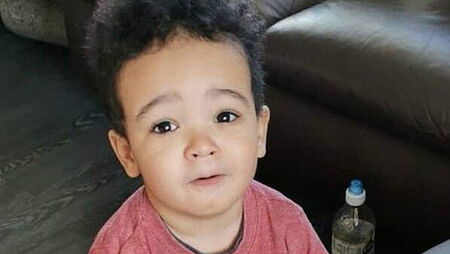
University Maternity Hospital Limerick has apologised for the failings in care that led to the death of a baby girl during the induction of labour.
The apology was read in court as Baby Aoibheann Fitzgerald’s parents, Aoife and Gary from Kilfinane, Kilmallock, Co Limerick, settled a High Court action against the HSE.
Baby Aoibheann was delivered by caesarean section without a heartbeat at the Limerick hospital on August 12th, 2021. The settlement, the terms of which are confidential, was reached after mediation.
The family’s counsel, Doireann O’Mahony BL instructed by O’Connor, O’Dea, Binchy solicitors, told the court a systems analysis review commissioned by the HSE in the wake of the tragedy subsequently identified serious shortcomings in care in Baby Aoibheann’s case.
These, Counsel said, included inadequate maternal and foetal monitoring, delayed transfer to the labour ward and missed opportunities to intervene.
Counsel said there was an opportunity to save Baby Aoibheann’s life, which was missed.
In a letter of apology to the Fitzgeralds, Ian Carter of HSE Mid West, on behalf of University Maternity Hospital Limerick, sincerely apologised “for the failings in care that led to the passing of Baby Aoibheann.”
“We are deeply sorry for the devastating loss of your daughter and sister, and we are committed to learning from these failings to ensure such a tragedy does not happen again,” the letter said.
It added: “Baby Aoibheann’s memory will guide us as we work to provide the highest standards of care for every family.”
Ms O’Mahony BL told the court the case concerned the very tragic death of Baby Aoibheann. She said Aoibheann’s mother had presented to the hospital the previous day with reduced foetal movements and was admitted for induction.
Counsel said it was their case that the signs of foetal distress were not adequately identified or dealt with.
The Fitzgeralds, she said, have since had two children, but the loss of Baby Aoibheann “still cuts very deeply.”
In the proceedings it was claimed there was a major system of care issue identified in the case on foot of a systems analysis review commissioned by the HSE in the wake of the tragedy.
It was found that a different plan or delivery of care would, on the balance of probability, have been expected to result in a more favourable outcome and that the death of Aoibheann could have been avoided by more intensive foetal and maternal monitoring both in the antenatal ward and the labour ward.
It was also found, it was claimed that earlier admission to the labour ward should have been considered.
Twelve important recommendations, it was claimed, were made as a result of the review findings, and it was claimed the HSE’s systematic failures had an adverse and causal influence on the outcome for Baby Aoibheann.
There was it was claimed a failure to put in place a proper plan of care, and there was a failure to take simple lifesaving steps to avoid such a major adverse event.
Baby Aoibheann, according to court papers, was much longed for and she was cherished by her loving parents, and she is missed every day by her parents and wider family.
It was also claimed there was a delay in the production of the post-mortem report until February 2022. The review team commissioned to investigate the incident it was claimed was very critical of the delay in finalising the post-mortem report.
Noting the settlement, Mr Justice Paul Coffey expressed his deepest sympathy to the Fitzgeralds on their loss.