Drivers should be breathalysed once a year, says charity
Seán McCárthaigh
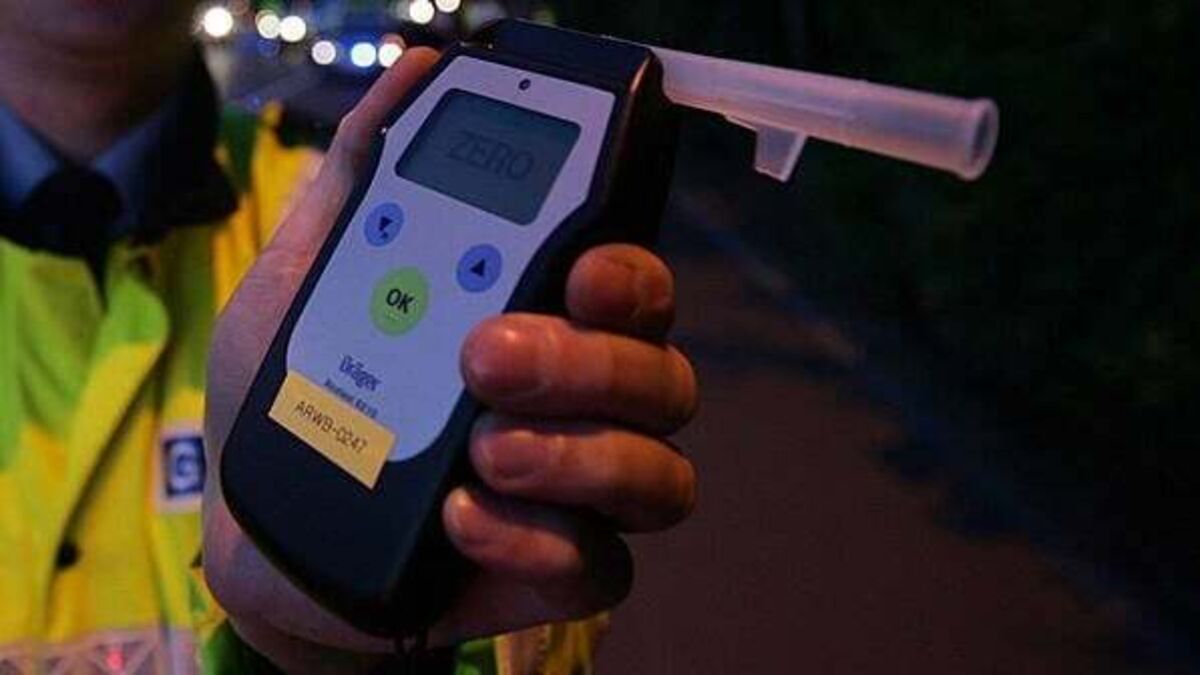
Targets should be set for the breath testing of motorists in Ireland to a level where each driver should expect to be checked for drink driving at least once a year, according to a charity advocating for reducing harm from alcohol.
Alcohol Action Ireland (AAI) claims such a measure is necessary as official figures indicate that just 1.3 per cent of all holders of driving licences in the Republic are tested for drink driving at roadside checkpoints each year.
A new report entitled “Alcohol and Road Safety” by the AAI points out that research shows that 1 in 8 drivers in Ireland have admitted driving after consuming alcohol in the previous 12 months, while Ireland also has the lowest level of roadside breath testing in the EU.
“This means that around 380,000 people drink drive each year – that’s on average more than 1,000 drink drivers on our roads every day – yet there are only around 5,000 arrests for drink driving annually,” said AAI chief executive, Sheila Gilheany.
She observed that alcohol is a factor in over a third of all road fatalities in Ireland based on an analysis of coronial data.
The report noted figures published by the European Transport Safety Council show that just 19 motorists per 1,000 in the Republic were breathalysed at checkpoints in 2021 compared to 109 per 1,000 in France and as many as 576 per 1,000 in Estonia.
The charity expressed concern that 37 per cent of prosecutions for drink driving between 2020 and 2023 did not succeed in court and called for an investigation to examine what it claimed was “an unacceptably high figure” and for any legal loopholes to be closed.
Dr Gilheany said the Government needs to adopt a strategy that considers every aspect of how collisions, including tackling the scourge of drink driving,” given the increase in annual road fatalities in recent years.
The number of people killed on Irish roads this year until the end of last week is 35 – five more than during the corresponding period in 2025. A male motorist in his 20s became the 36th victim of a fatal road collision on Sunday night when his car was involved in a single vehicle collision on the N4 at Ballinafad, Co Westmeath.
AAI has also called for the current time window for taking blood samples from motorists involved in a collision to be extended from the current three-hour limit to 12 hours.
Dr Gilheany said such a proposal was particularly relevant given the long distances to some hospitals from collisions in rural areas.
The charity also urged the Government to act on international evidence that controls on price, marketing and availability reduced alcohol-related collisions due to their impact on overall levels of alcohol consumption.
“Research across the EU indicates that a 10 per cent increase in alcohol prices is associated with a 7 per cent reduction in road deaths – for Ireland in 2025 that would be 13 people still alive,” said Dr Gilheany.
AAI warned against proposals by the Government to introduce changes to licence hours because research had shown that longer opening hours for licensed premises impact on road safety.
“It is essential that the Government does not make a bad situation worse through such actions,” said Dr Gilheany.
The president of the Irish Road Victims Association, Donna Price, said there is a need for rigorous and high visible enforcement that “must be consistent and properly resourced” to meet the commitment to reduce road deaths.
“There must be a real likelihood of being caught if you are drink driving and of losing your licence. We must expect to meet regular garda checkpoints with mandatory intoxicant testing on our journeys, not just on holiday weekends,” said Price.
She also called for the introduction of mandatory alcohol interlock devices for convicted offenders “without delay”, particularly for repeat and recidivist drink-drivers.
“Vehicles should be impounded and automatic custodial sentences for repeat offenders should also be introduced in order to protect other road users.
“These are not extreme measures. They are proportionate, evidence-based actions designed to prevent further tragedy. Deterrence works when consequences are certain."
However, she expressed concern at the Government's “complete lack of urgency and tangible progress” in meeting its repeated commitment to the “Vision Zero” road safety strategy of achieving zero road deaths or serious injuries by 2050.