Concern over ‘band aid’ solution to autism classes in Co Carlow
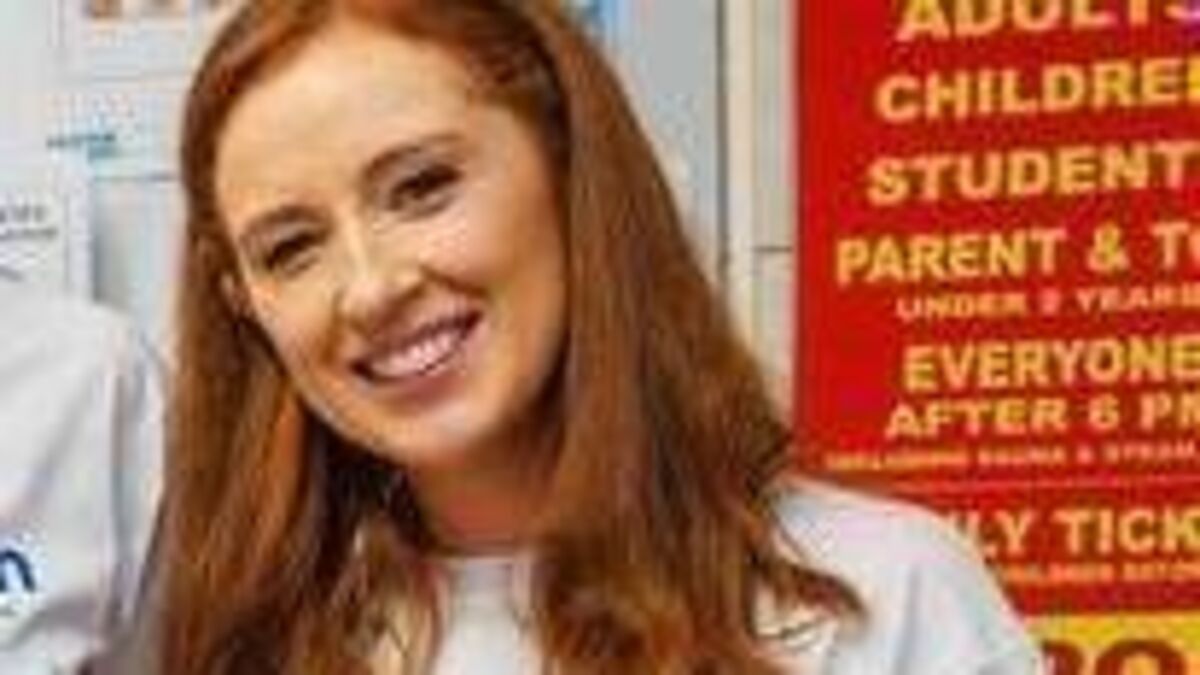
Louise Moran Burnett, founder of Autism Heroes
THE Department of Education and National Council for Special Education announced in May that three new ‘inclusive classes’ for children with autism will open in Co Carlow in September, the description of which has caused concern among some parents and teachers.
The new inclusive class model increases the maximum number of children in an autism class from six to 12, with a corresponding increase in the number of teachers and special needs assistants (SNAs), but with no corresponding increase in space.
The three Carlow schools that have agreed to implement this type of class are Tinryland National School, Carlow Educate Together NS and Holy Family NS, Askea.
They were approached with the offer of creating an inclusive class after Michael Moynihan, minister of state for special education, announced in February of this year that Grange National School in Tullow, Coláiste Andriú in Bagenalstown and Tullow Community School would be the recipients of the new special classes in Carlow.
Simon Lewis, principal of Carlow Educate Together, said he initially turned down the offer of putting on an inclusive class, but he changed his mind after funding for a new special classroom was not forthcoming.
“We didn’t go for it the first time because I can see the problems, but when you want to help, you’ll do whatever it takes,” he said.
His school will open up places for three children in a former learning support room, which will be staffed by one teacher and one SNA. The three children are currently in mainstream classes in the school, although places have not officially been offered to parents.
The new inclusive classroom will take away a learning support room that was already being used by children unable to regulate in the classroom, he said. A grant is available for schools to upgrade furniture and equipment in the classroom.
“It’s absolutely a panic measure from the government,” said Simon, referring to the long waiting lists for special classes around the country.
“I feel like I’m working in a hospital and this is like trolleys in a corridor. It’s not an appropriate space, but you’re helping some families to get access to a class,” he explained.
The school opened a special class in 2009, the first one in Carlow town. Needing more space, the school moved to a new school building in 2013 which contains a full special needs area with two classrooms, breakout rooms, an occupational therapy room, sensory room and central activity space.
Deputy principal of Holy Family NS in Askea, Mary Keogh, said they are waiting for the Department of Education to approve plans for a four-classroom special educational needs (SEN) base building, which was promised in 2022, when they first opened two autism classes.
She said pupils who are eligible for autism classes are currently attending mainstream classes and that an autism inclusive class will “be of enormous benefit to them in the immediate future”, and that the school will continue to fight for better supports and the promised SEN base.
Tinryland NS has two state-of-the-art special classrooms, built in 2022, with 12 pupils currently attending. Principal Orlaith Hennessy said there are 23 pupils on a waiting list for a special class, and only eight places available this year. The chance to take three children off the waiting list and bring them into the school is really positive, she said.
“We are sure we will be able to support the children,” she noted, referring to the experience and willingness of her staff and the facilities available for the children. “It would be great to get specific guidance from the department,” she said, but then noted that she appreciated that the model gives each school some autotomy over how they will implement the inclusive class model.
The three new pupils in Tinryland will be based in a special classroom, but will go in and out of mainstream classes as well. “For some children, it will be absolutely ideal,” said Orlaith.
“I think every school context is different. It is more natural for us; we’re really looking forward to seeing how it’s all going to pan out, but we’re confident that we’re going to be able to manage it.”
Louise Moran Burnett of the Carlow group Autism Heroes is less confident in the model, noting that if it doesn’t work, it might see more children with autism out of school.
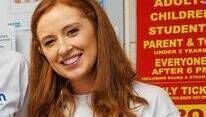
“There’s obviously a huge worry around how it will work. I think the government very much rushed this. I don’t think there’s a huge amount of research gone into it,” said Louise.
“It really doesn’t surprise me when it comes to this government that it didn’t consult organisations.” Louise noted that the benefit of the policy is that some children will be able to access their local school, but “if resources are not put into these schools, if teachers are not being educated, it becomes another place that’s inappropriate for a child that needs support,” she said.
“They make it sound like it’s going to be something fantastic,” she said, but “I really believe it’s a band aid. Again, its teachers and parents that are picking up the slack.”
Simon Lewis agreed: “Schools are going their part here to help. We’re doing the government a favour here; we’re giving them a dig out.”